
South Carolina Breeding Bird Atlas
1988-1995
 Although South Carolina has a long history of ornithological survey, dating back to the
colonial era, much of this work was concentrated in the coastal zone and sporadic in
nature. Large portions of South Carolina, especially the interior of the state, have never
had an adequate natural history survey.
Although South Carolina has a long history of ornithological survey, dating back to the
colonial era, much of this work was concentrated in the coastal zone and sporadic in
nature. Large portions of South Carolina, especially the interior of the state, have never
had an adequate natural history survey.
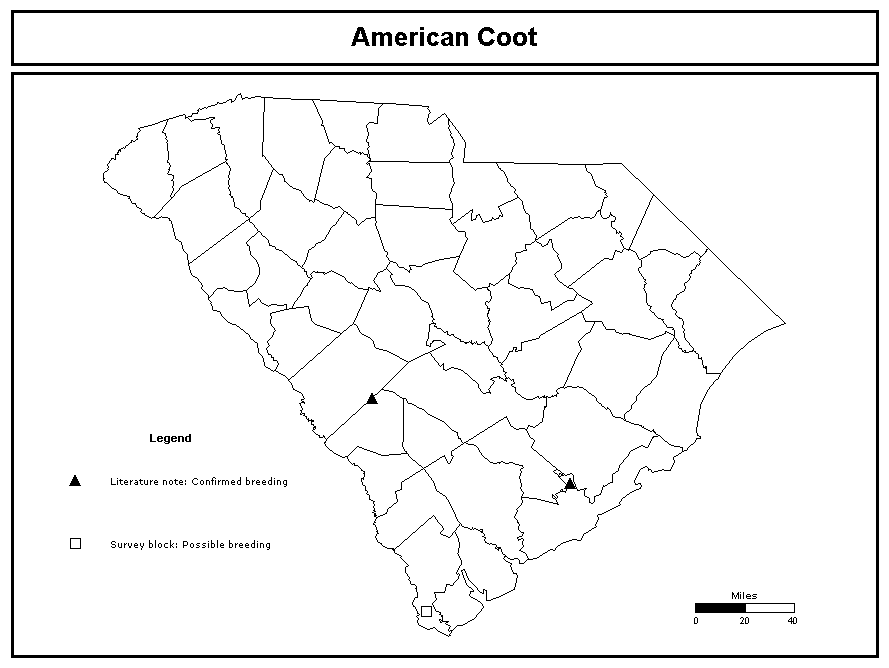
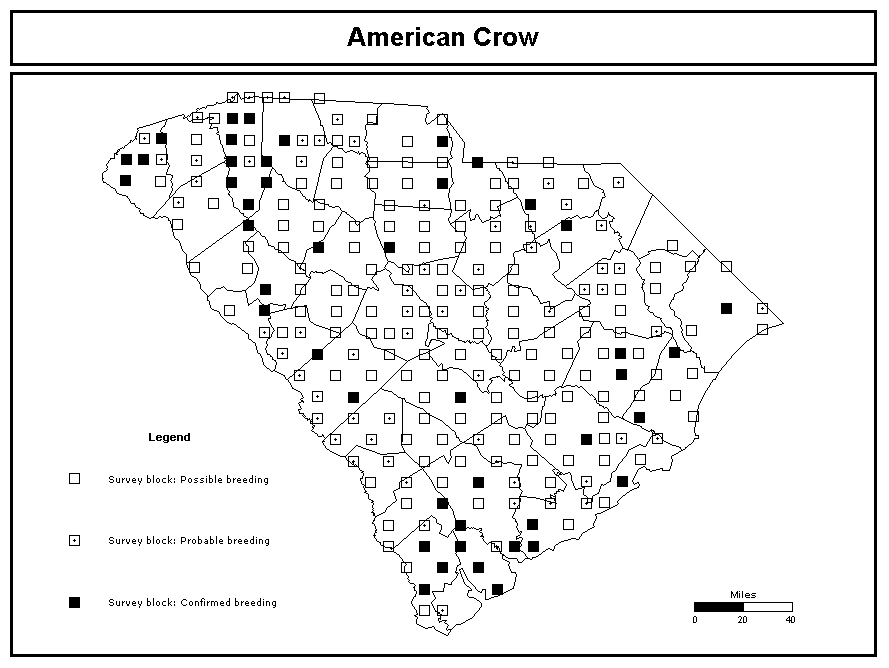
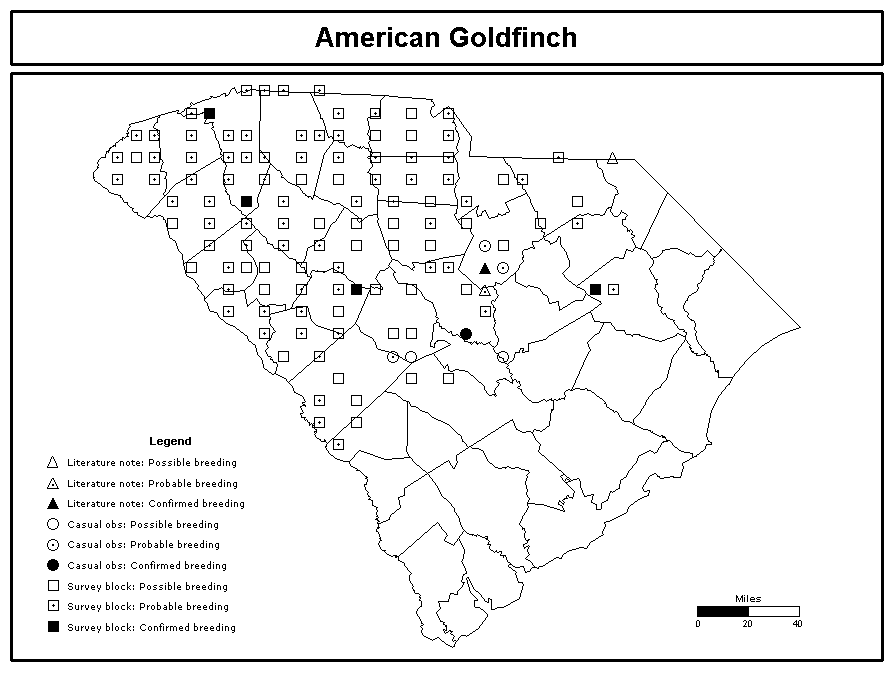
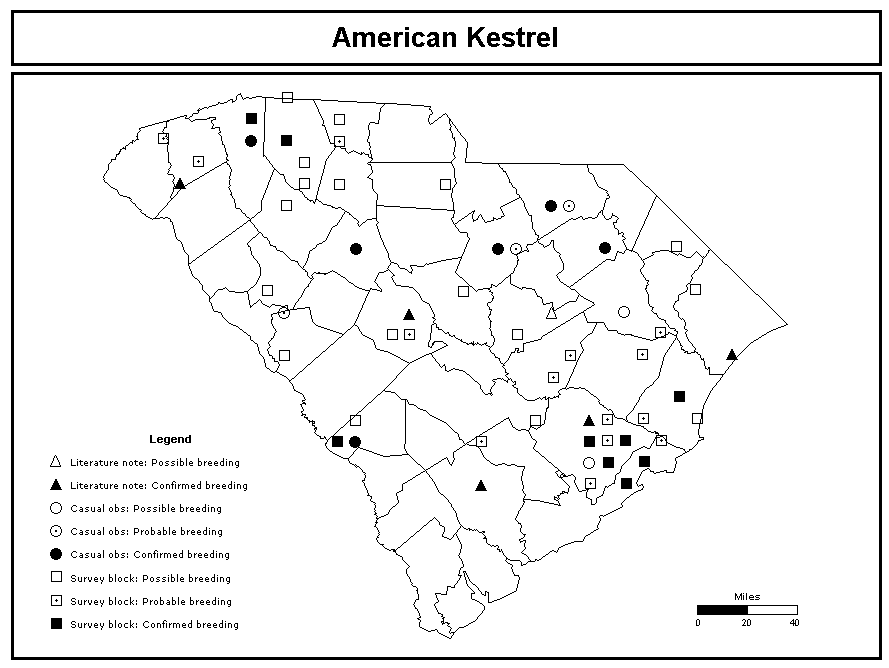
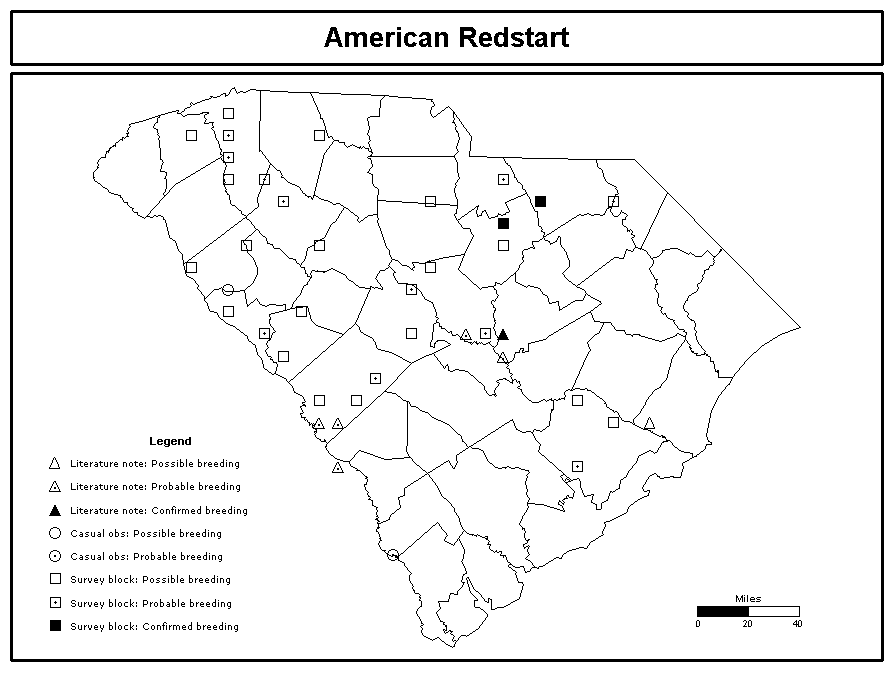
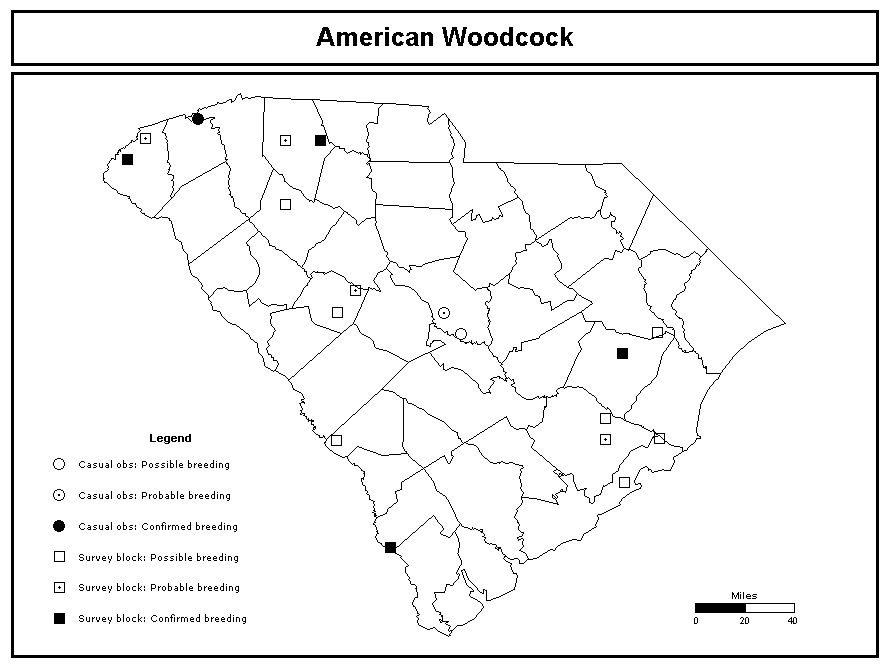
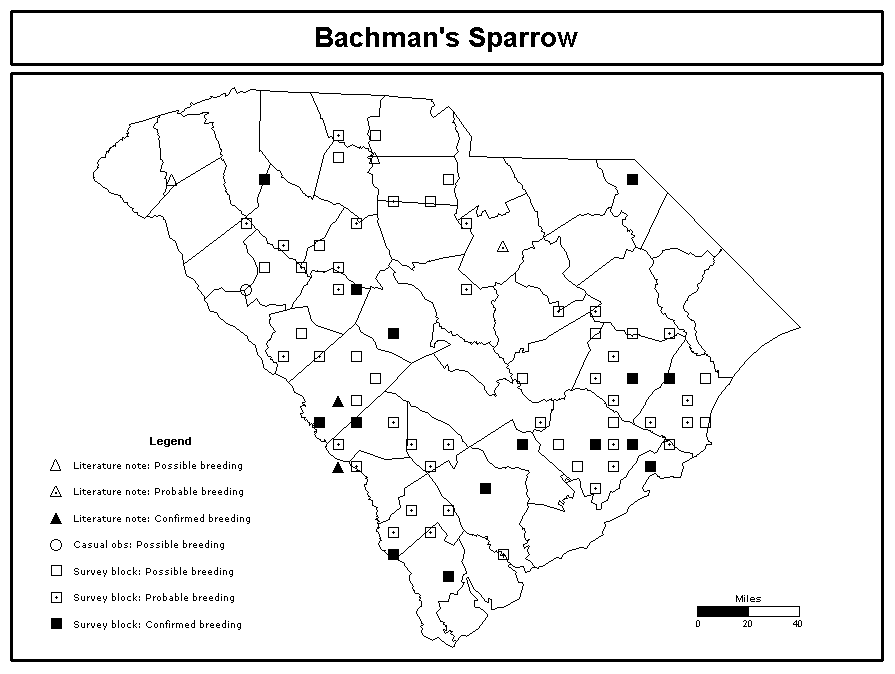
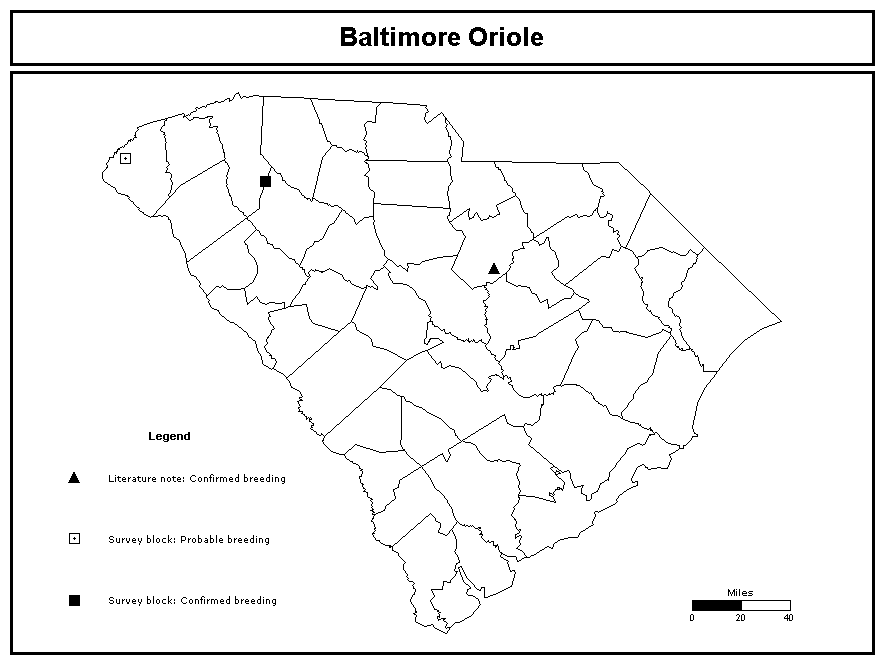
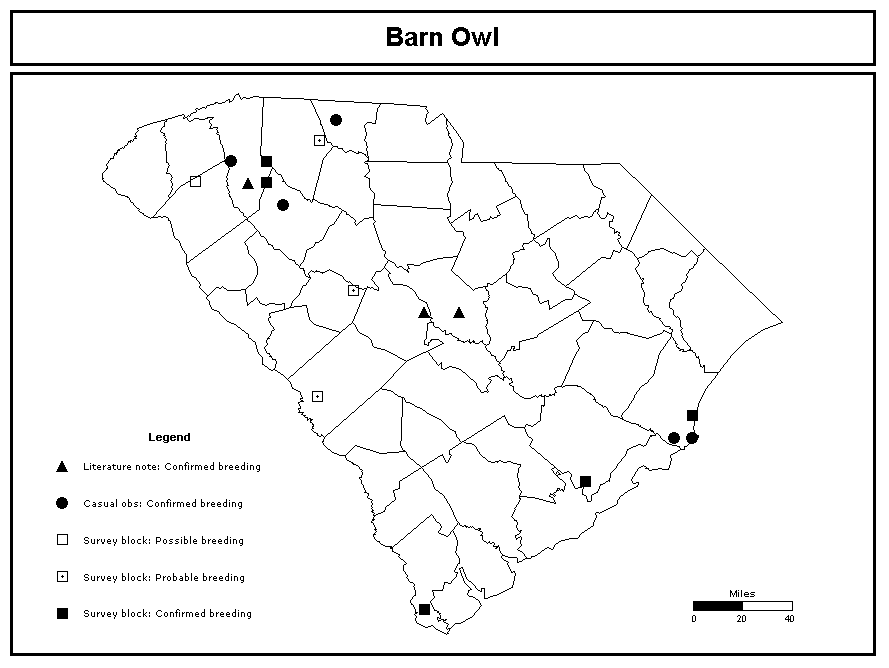
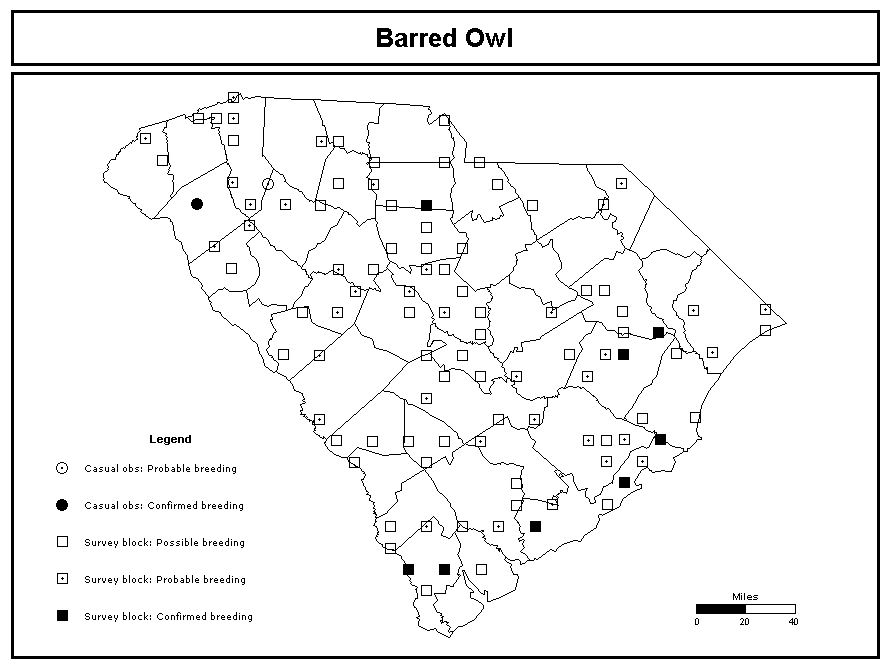
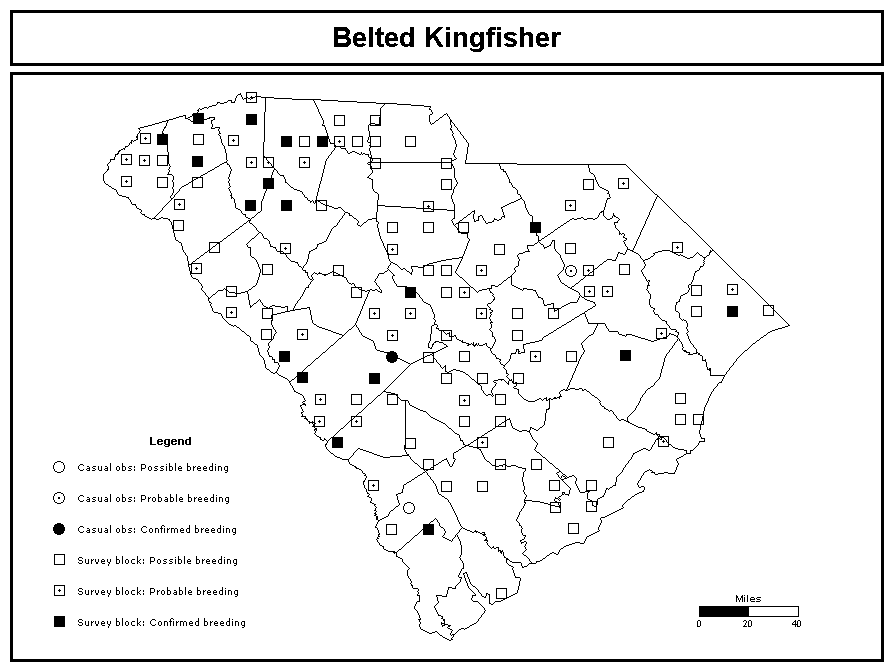
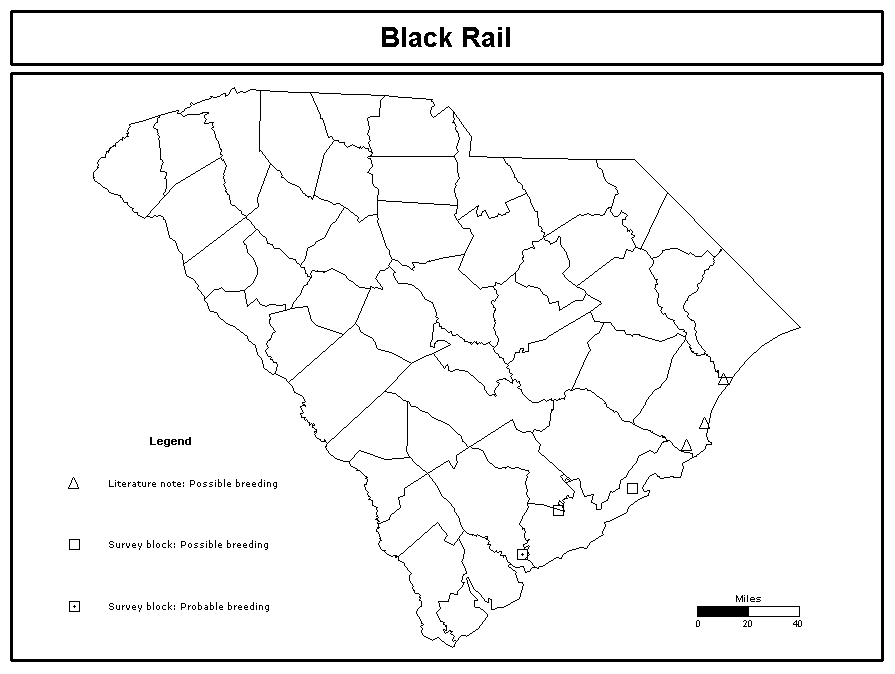
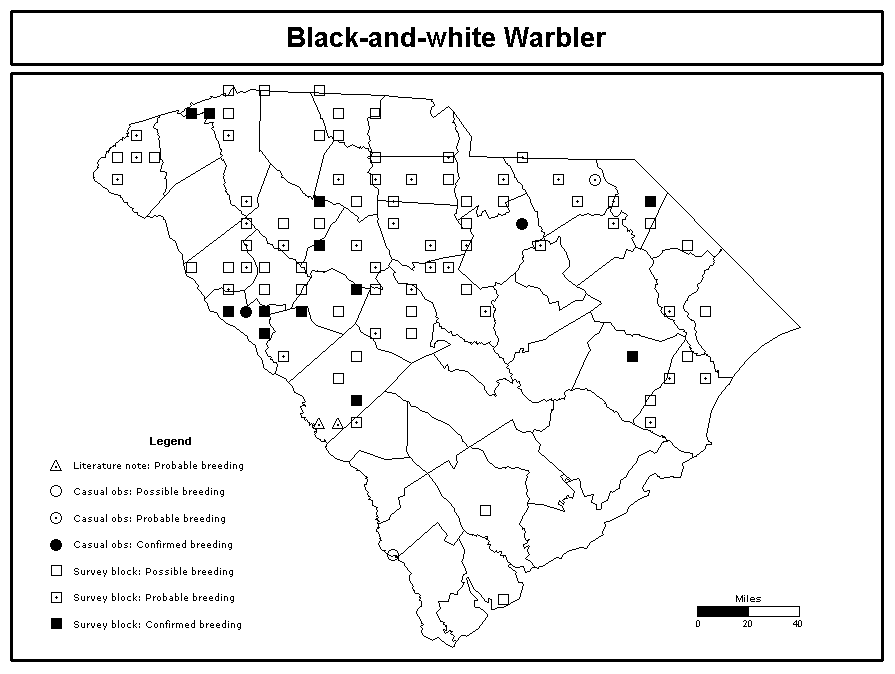
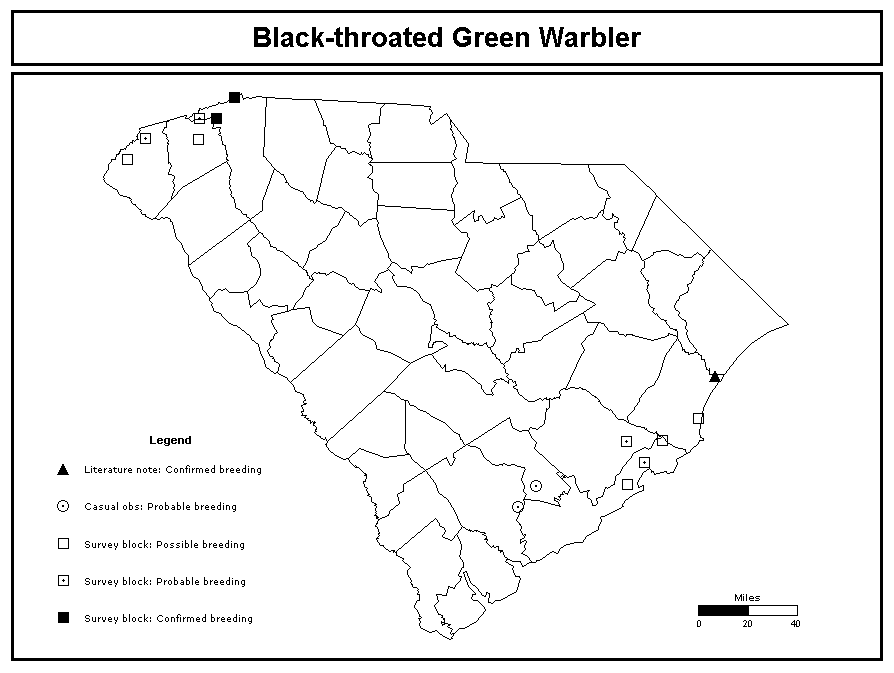
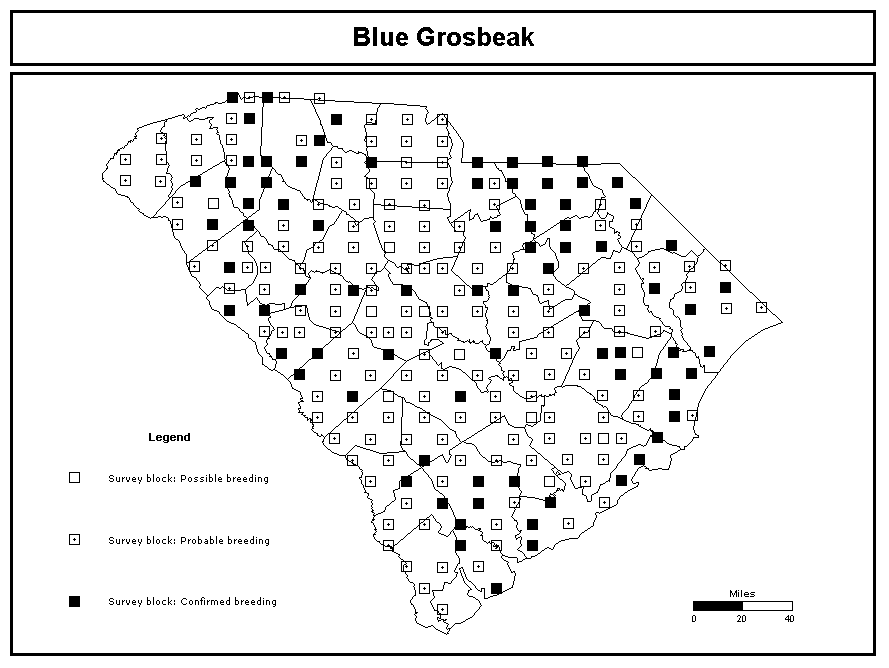
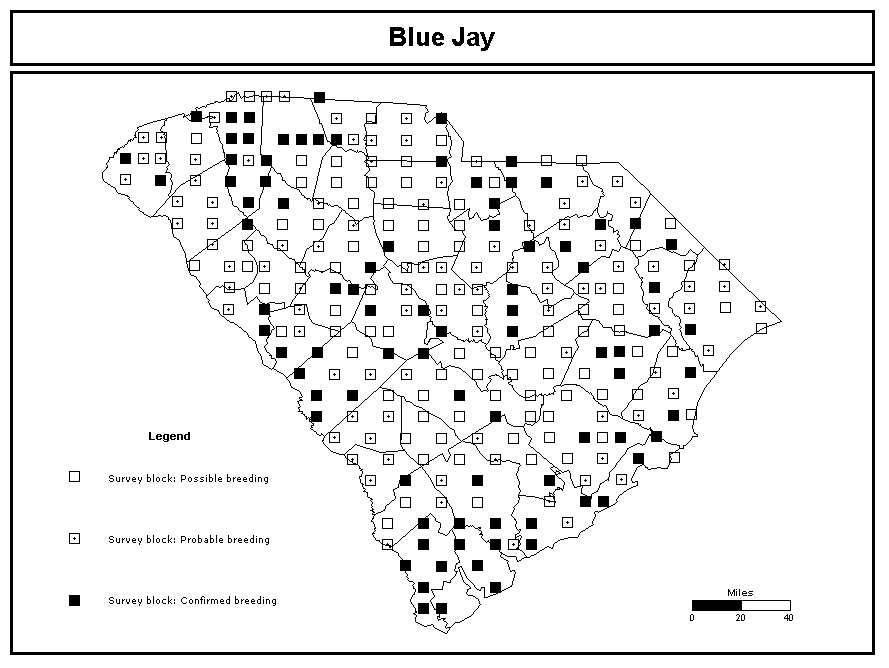
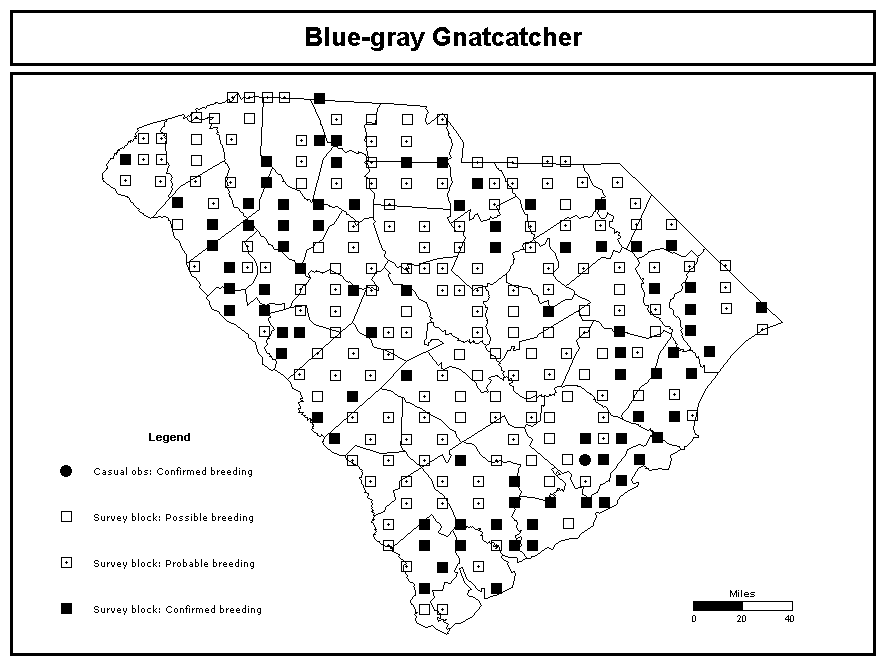
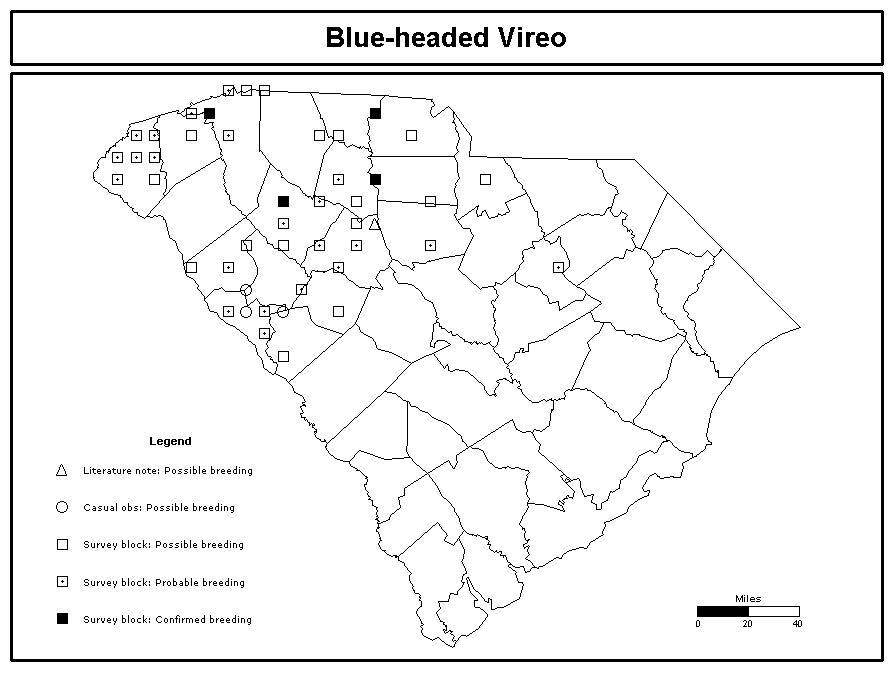
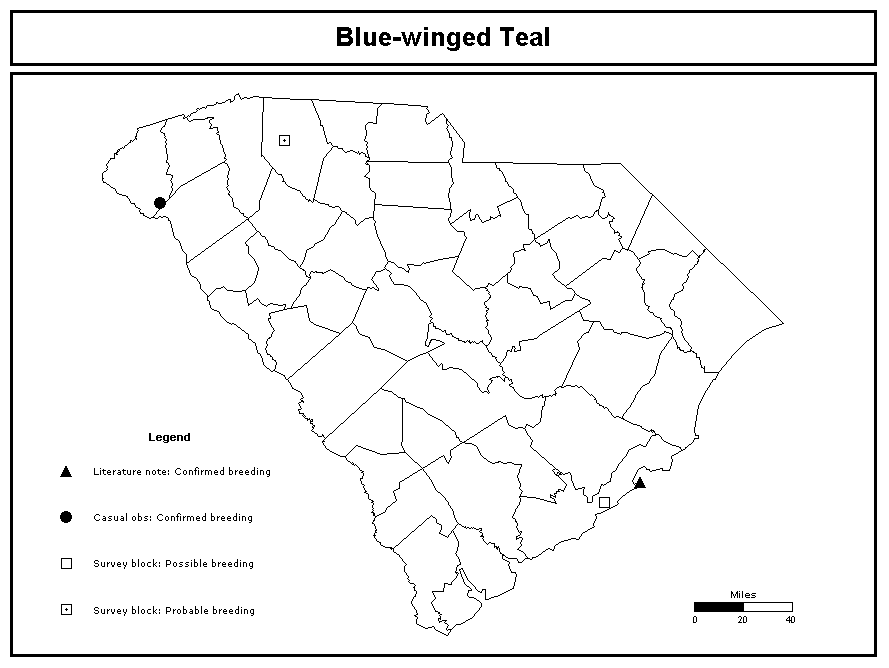
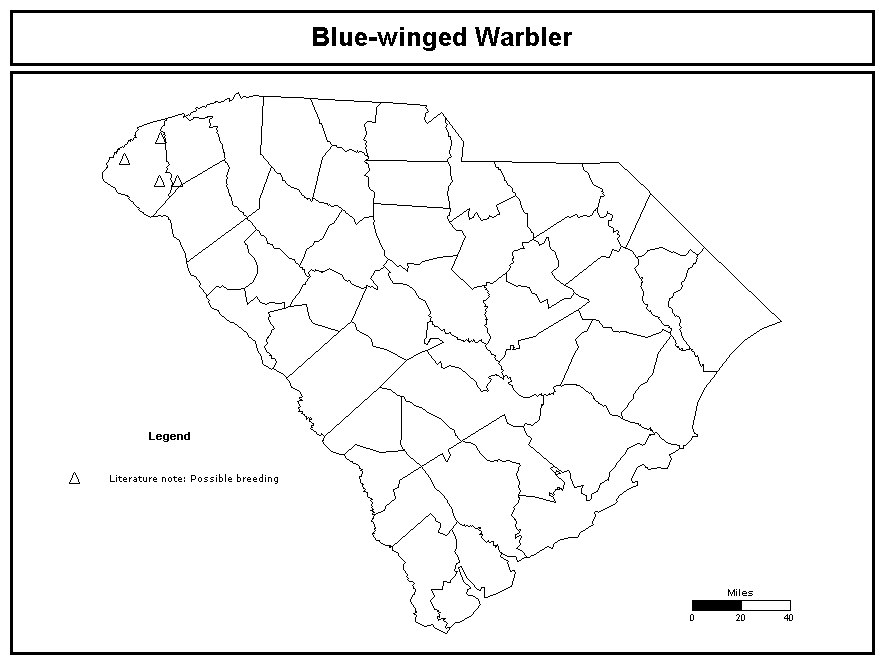
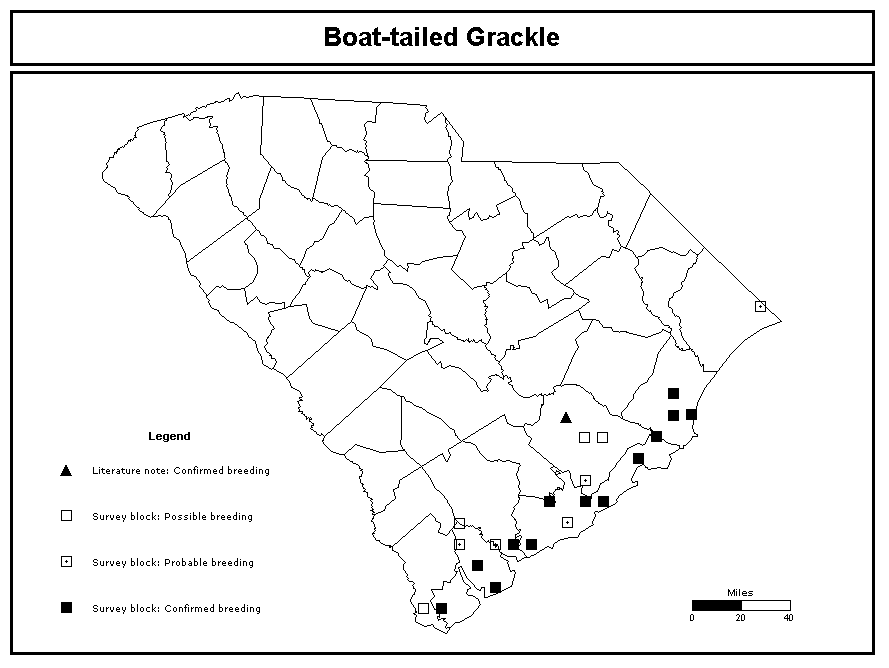
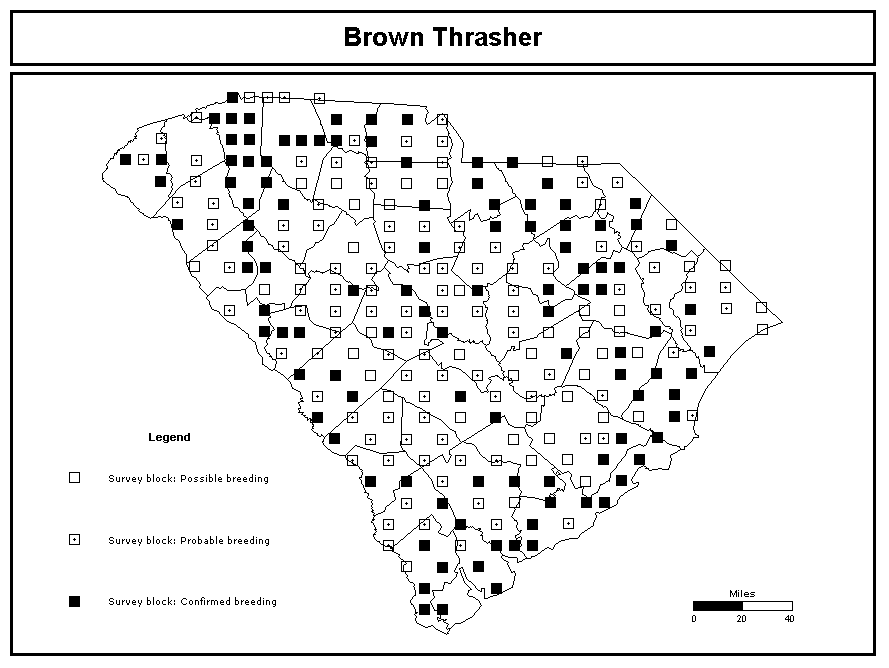
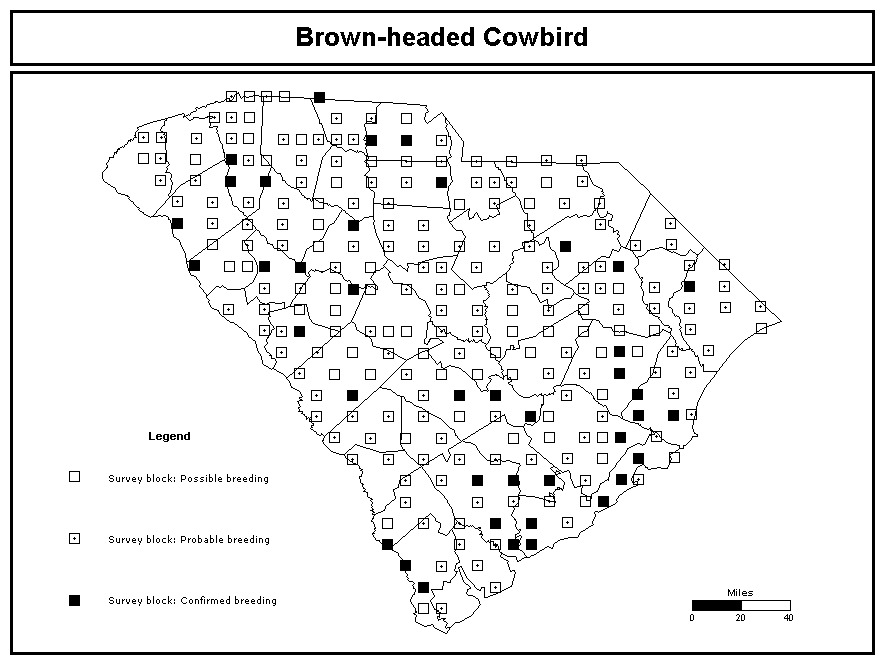
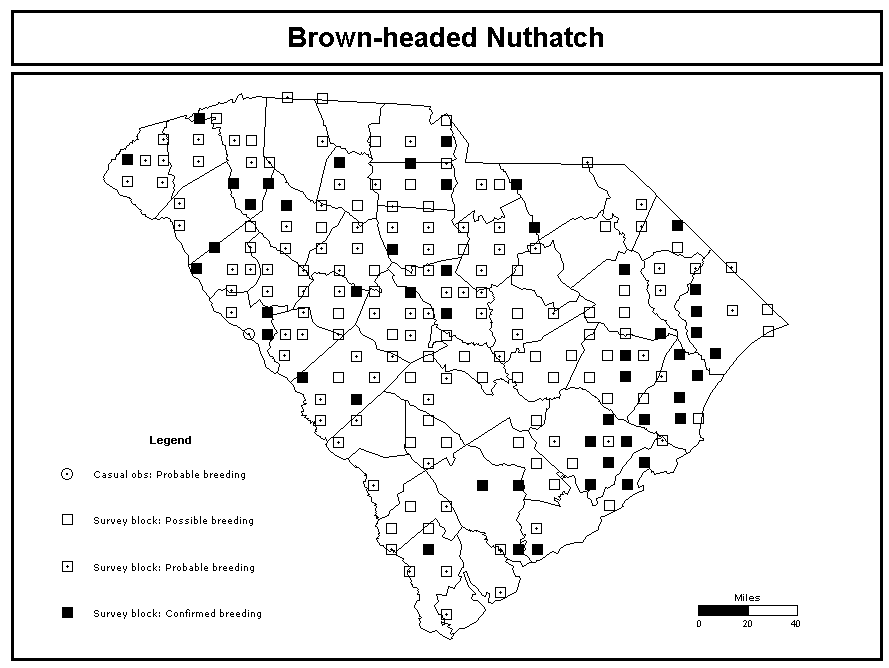
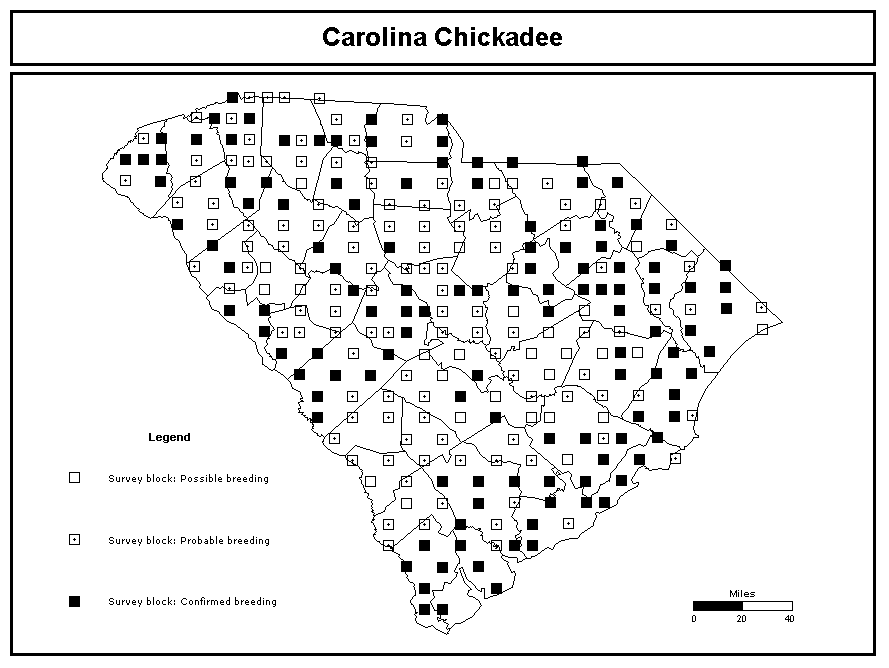
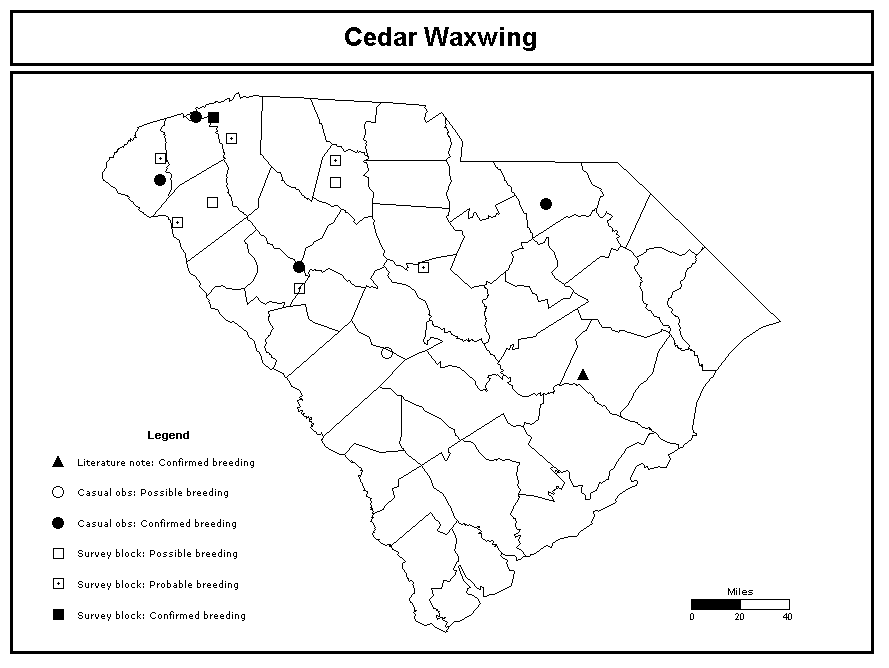
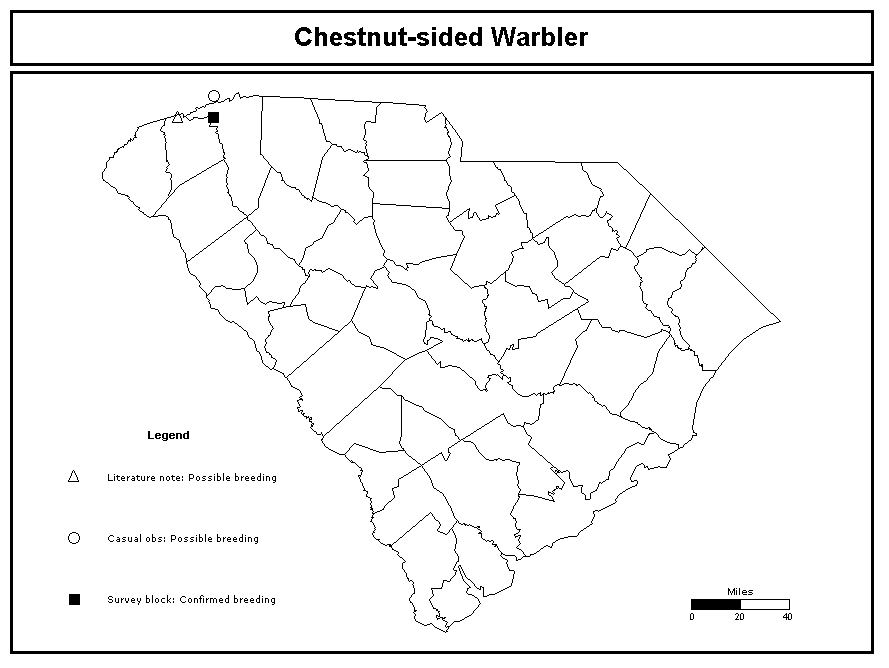
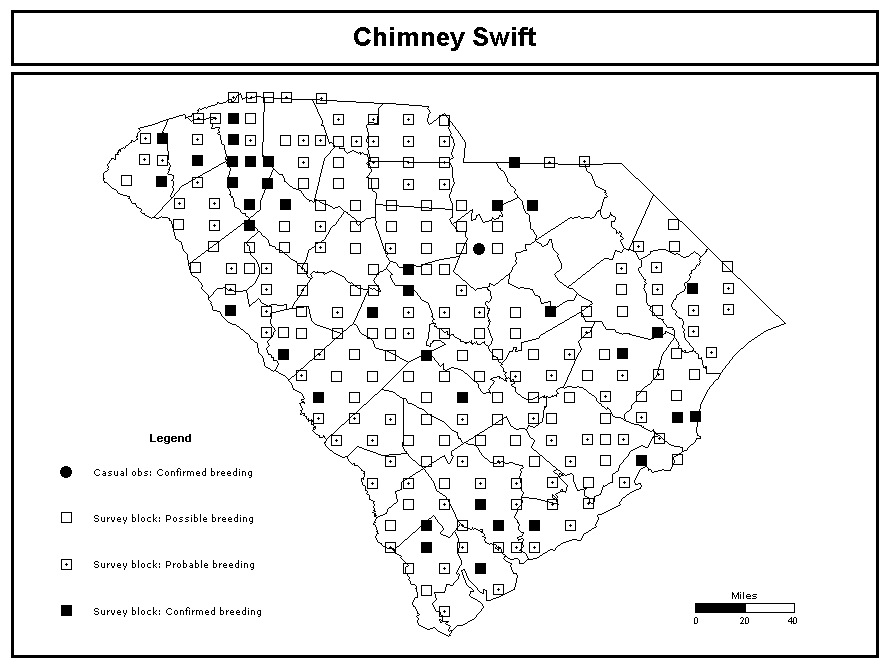
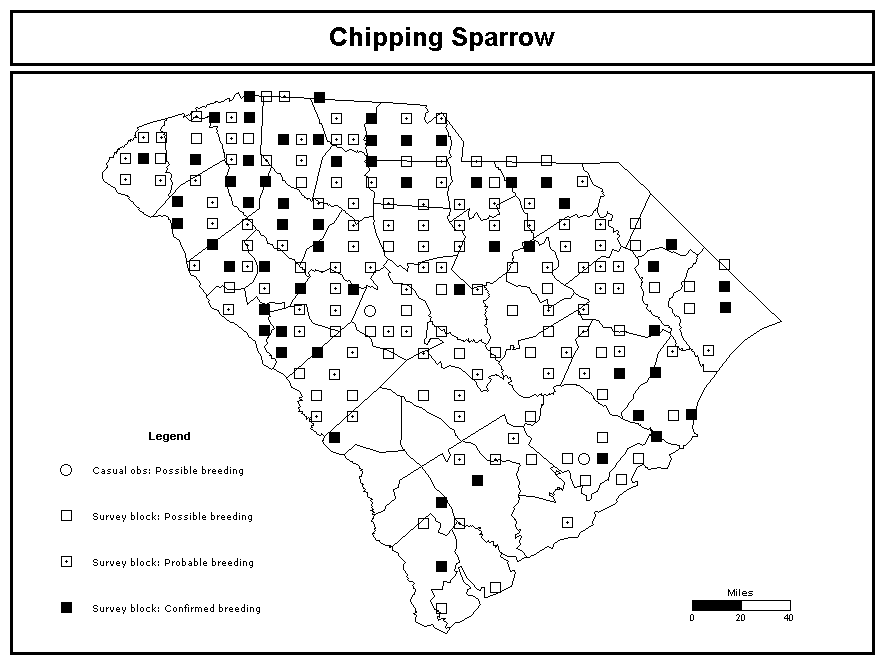
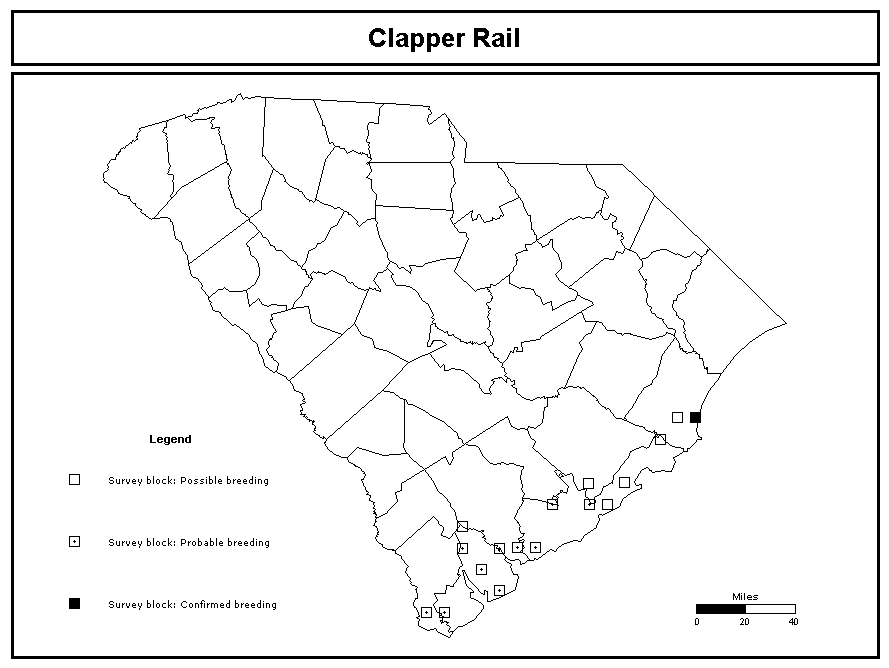
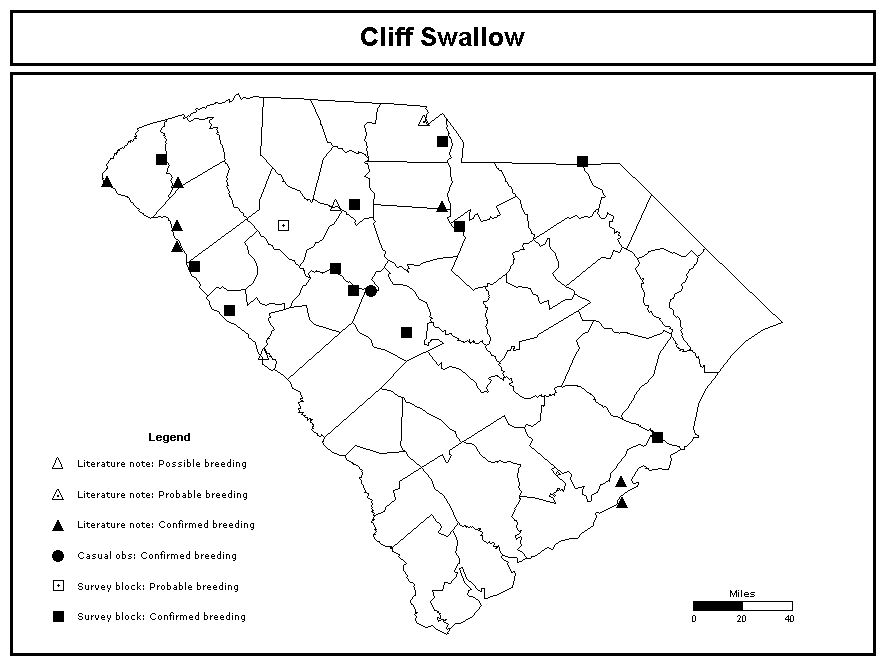
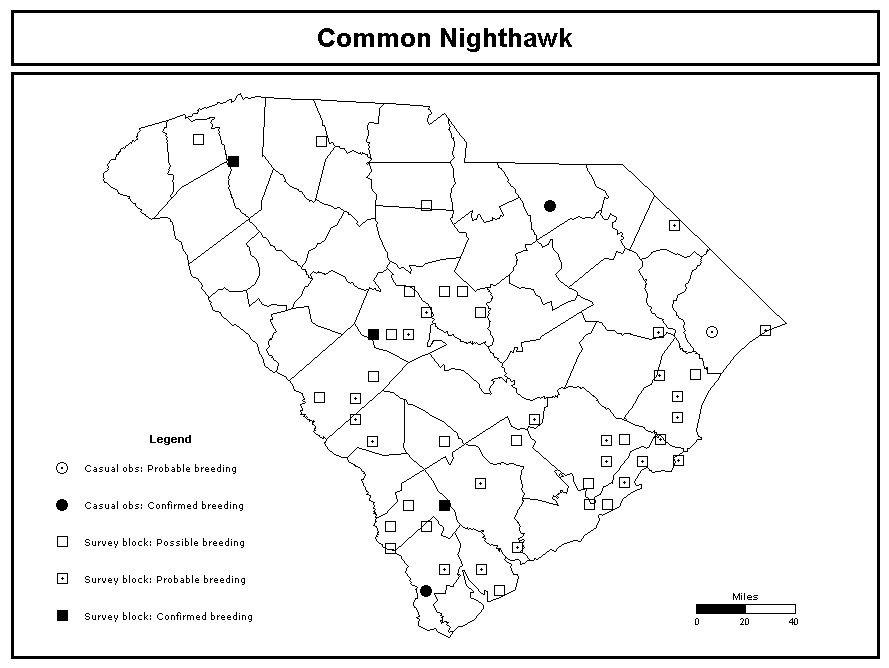
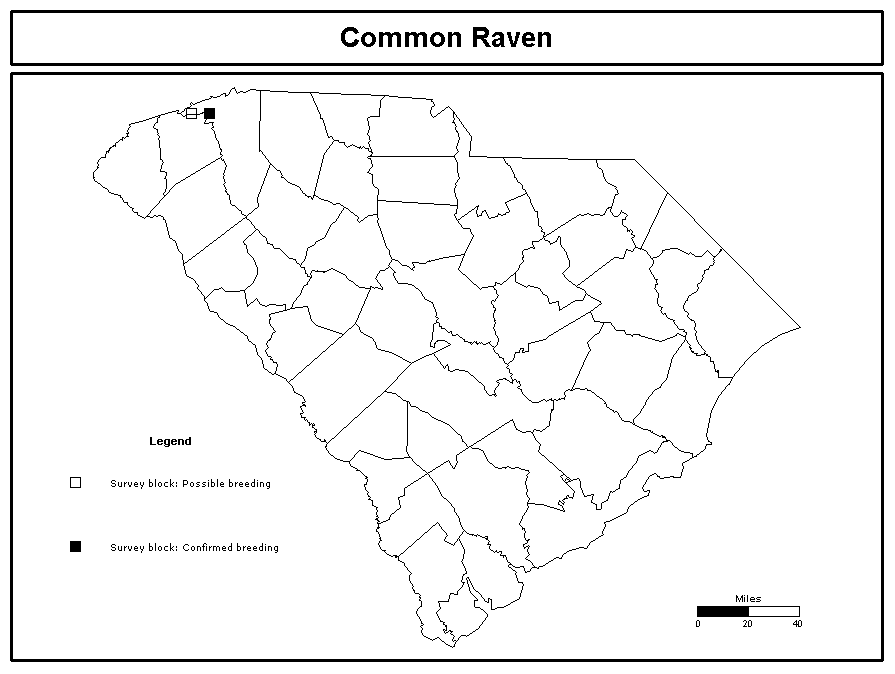
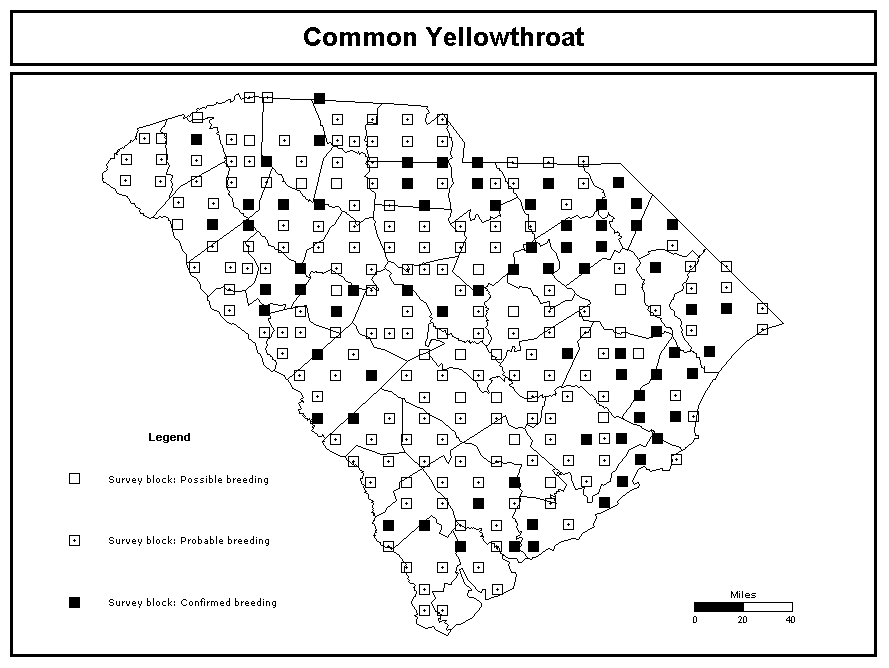
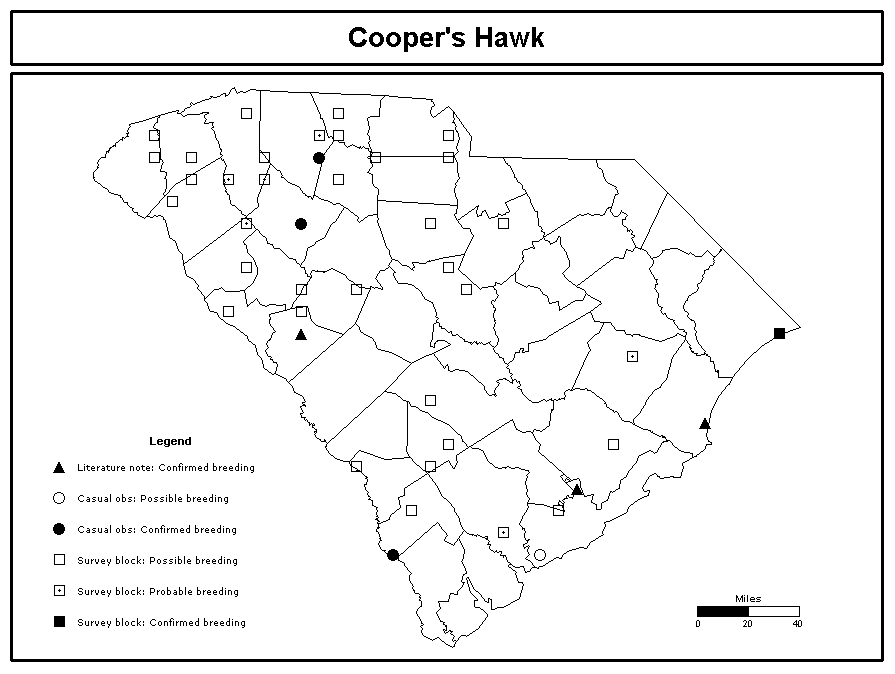
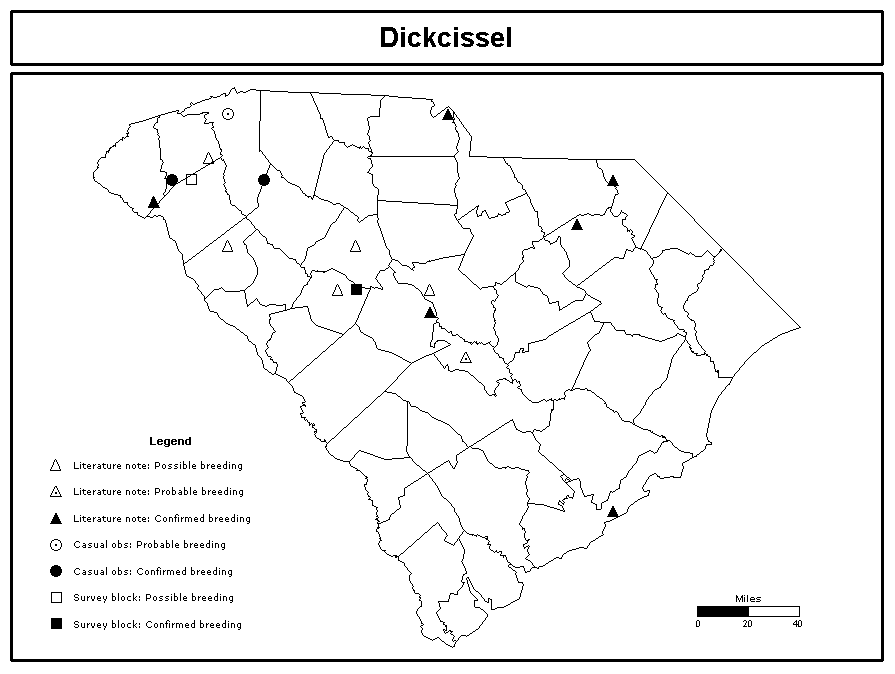
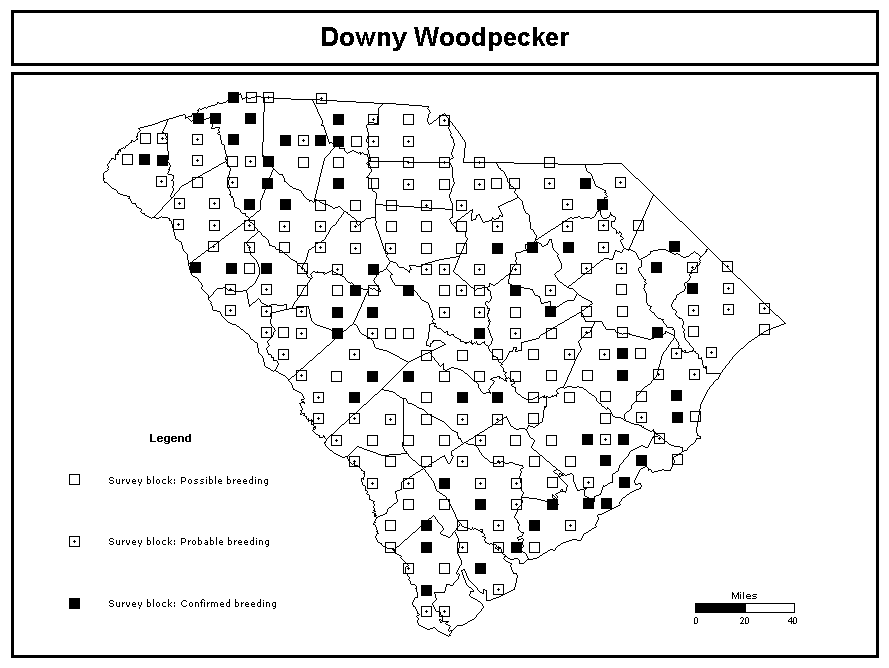
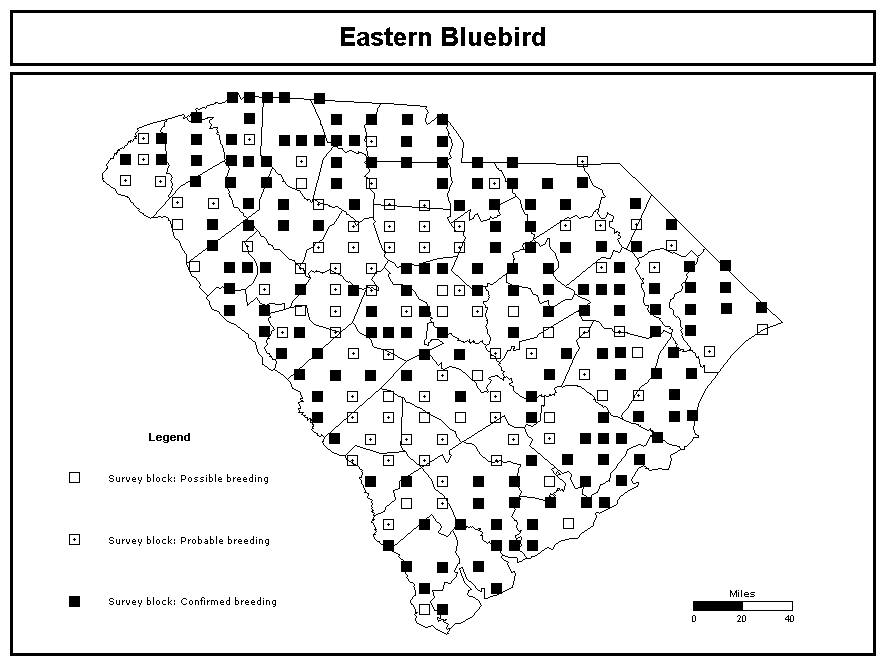
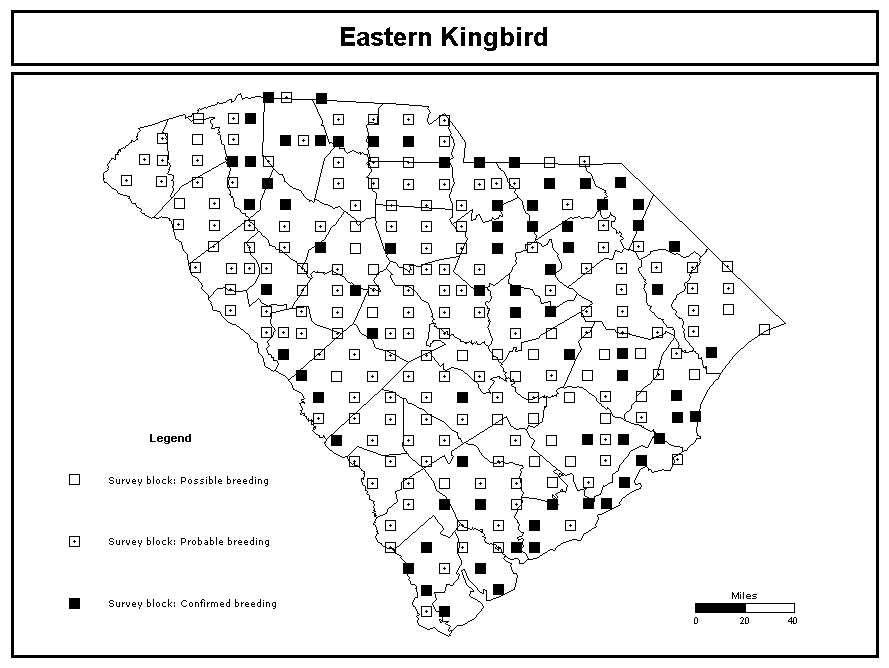
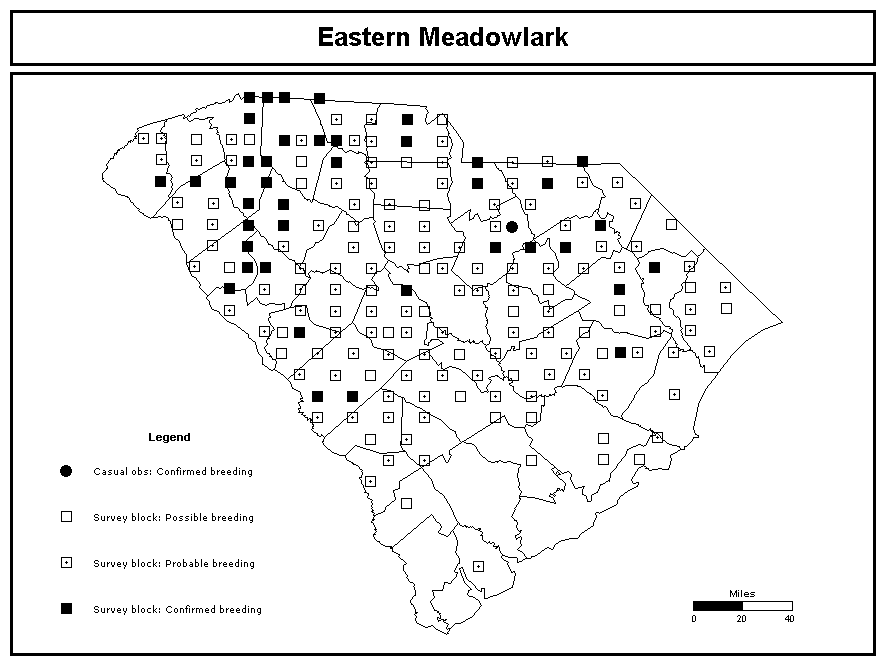
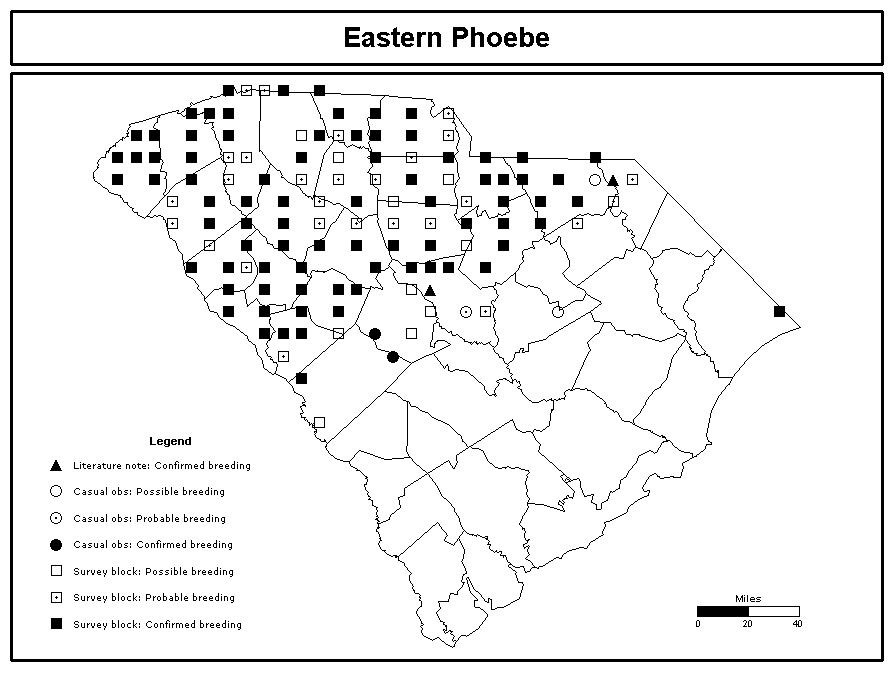
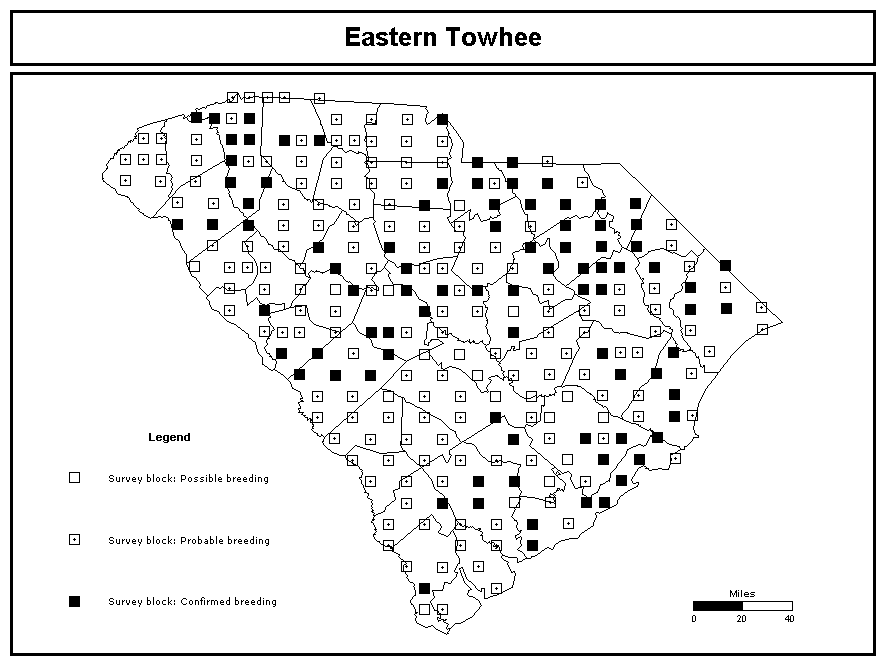
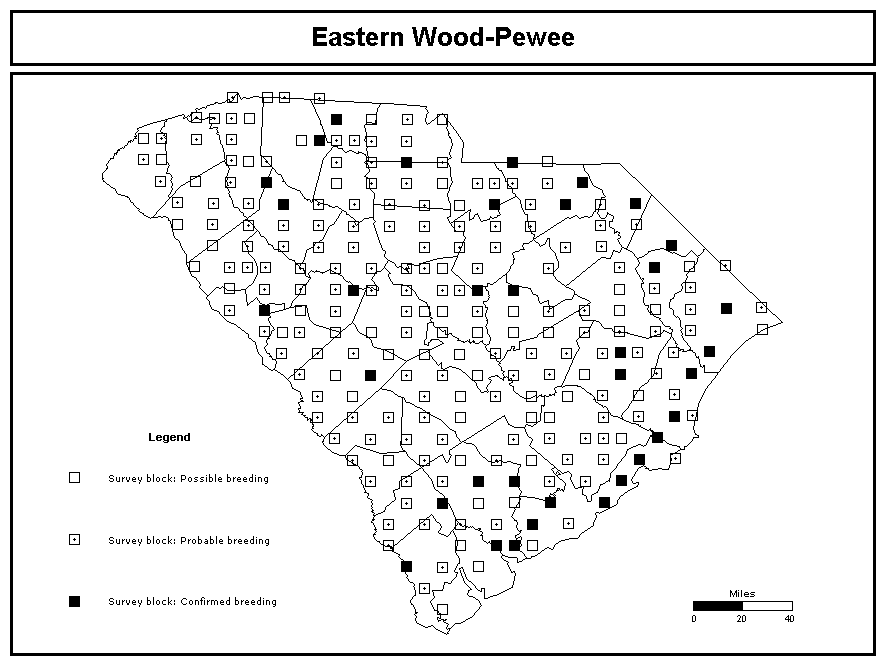
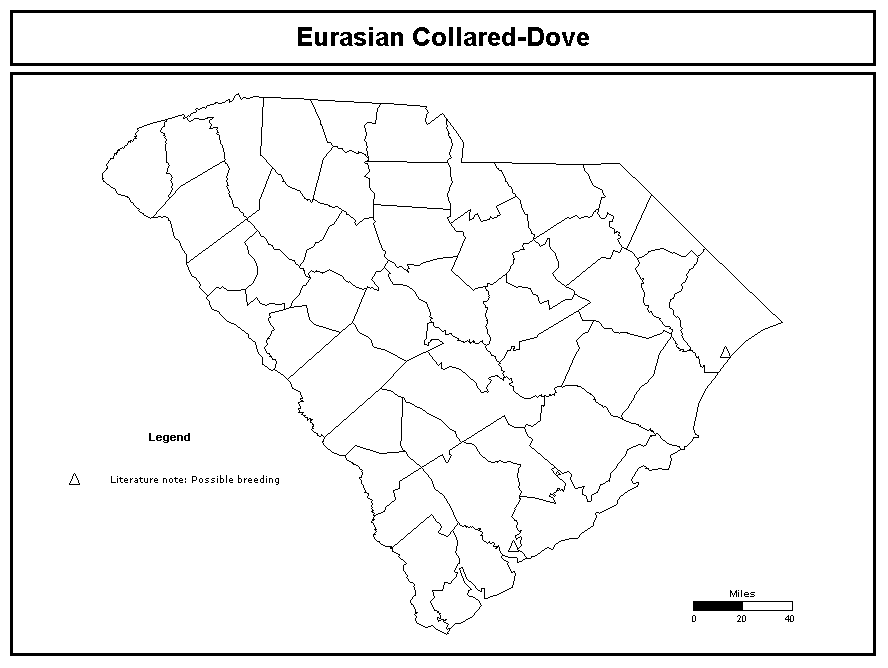
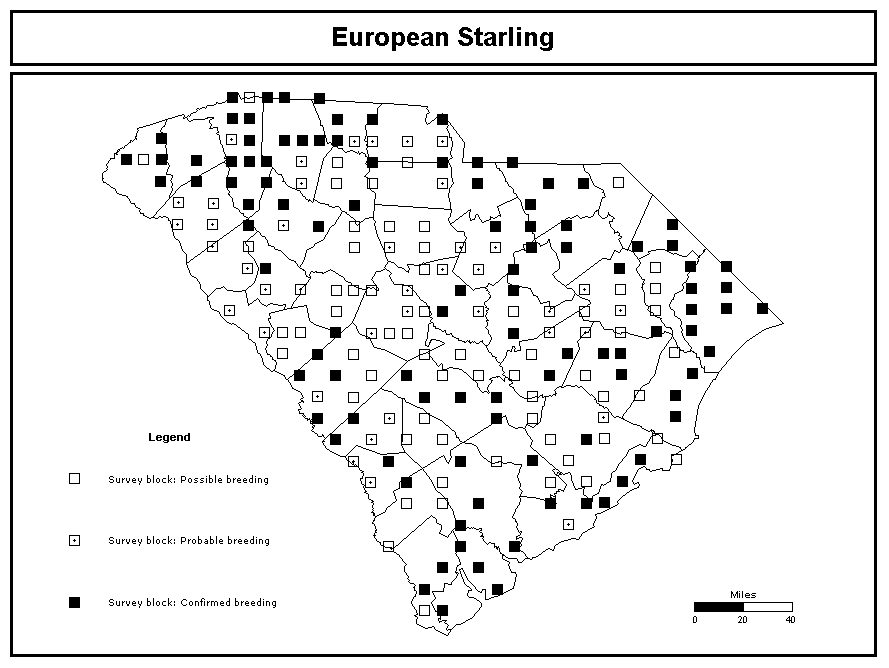
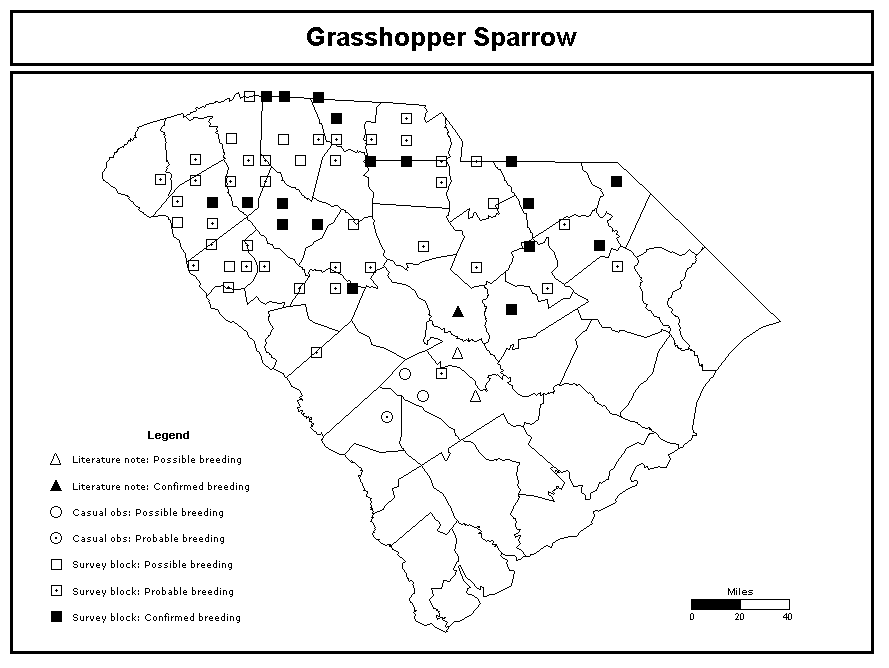
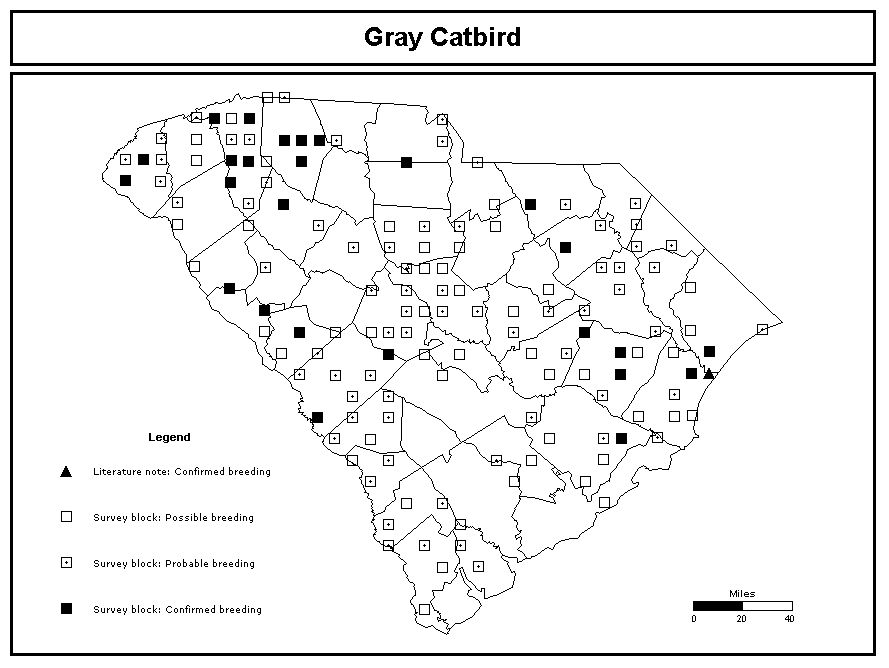
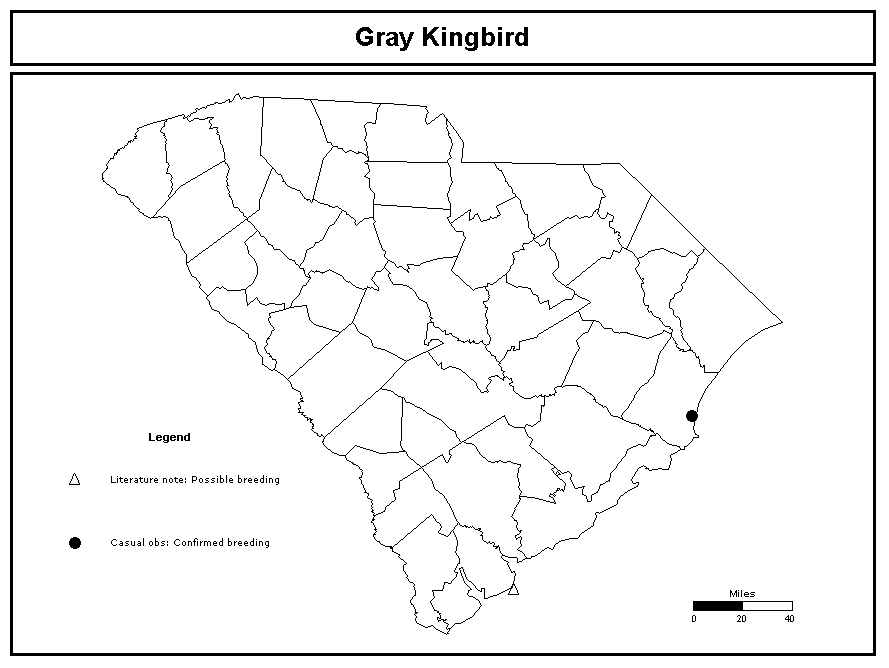
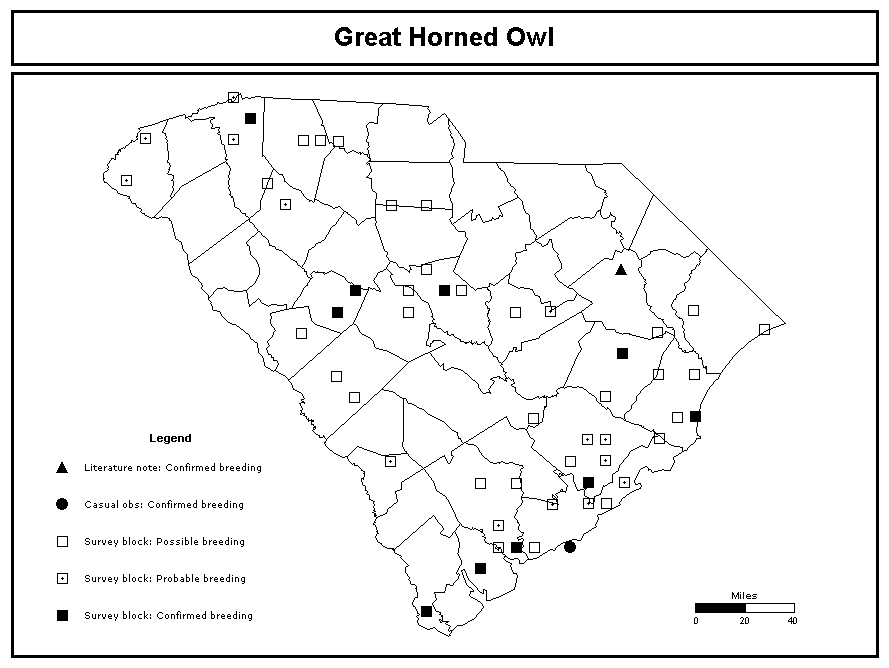
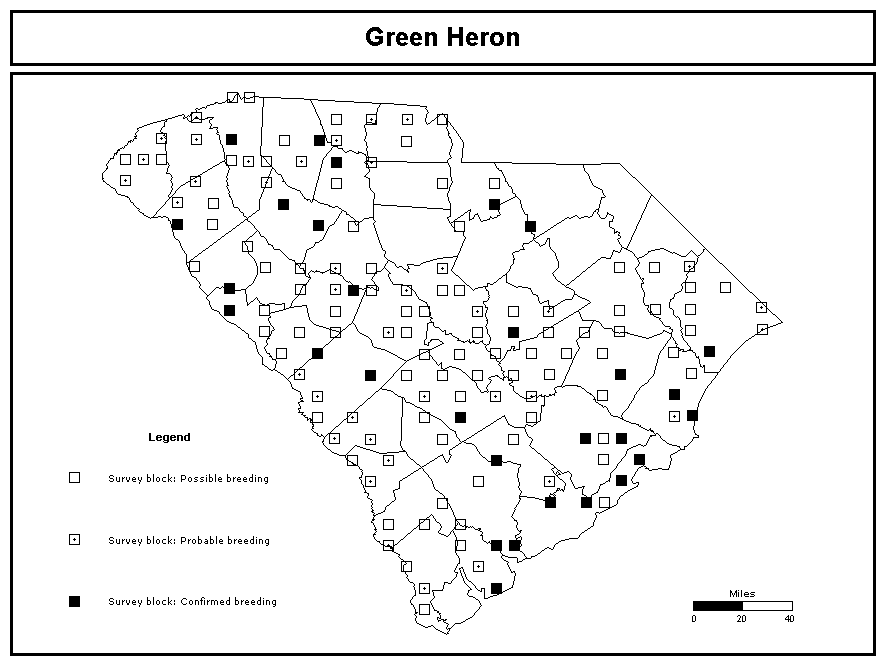
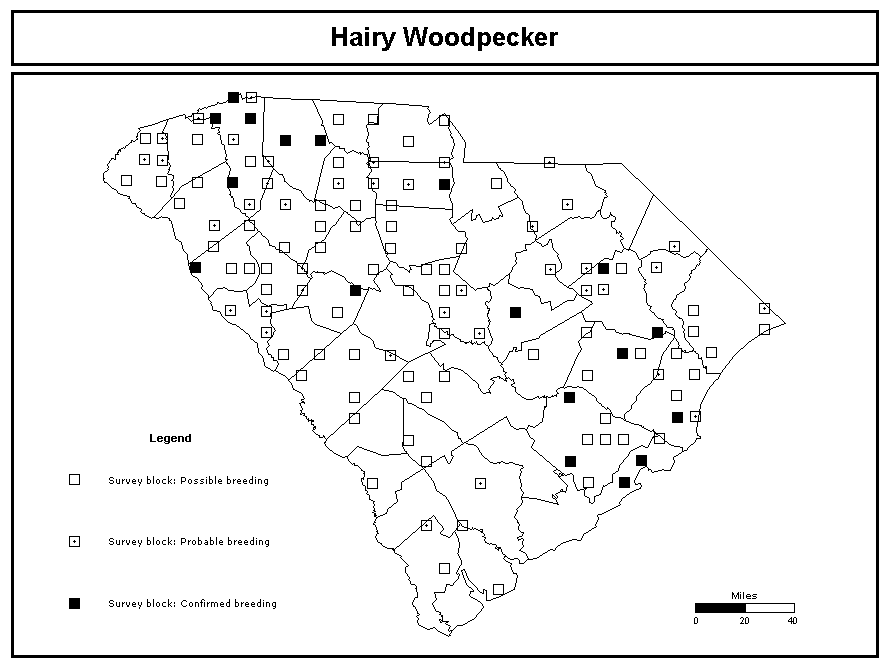
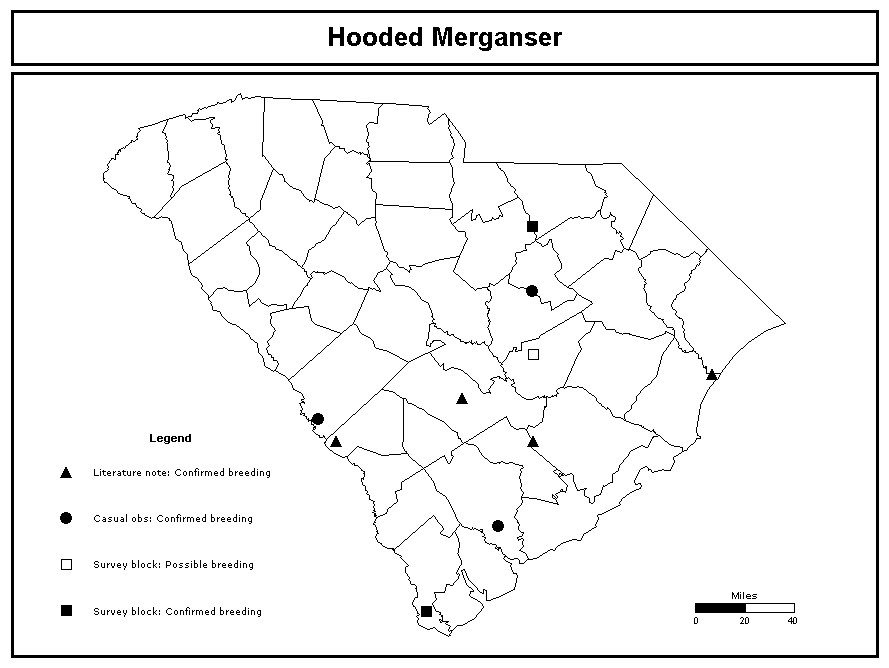
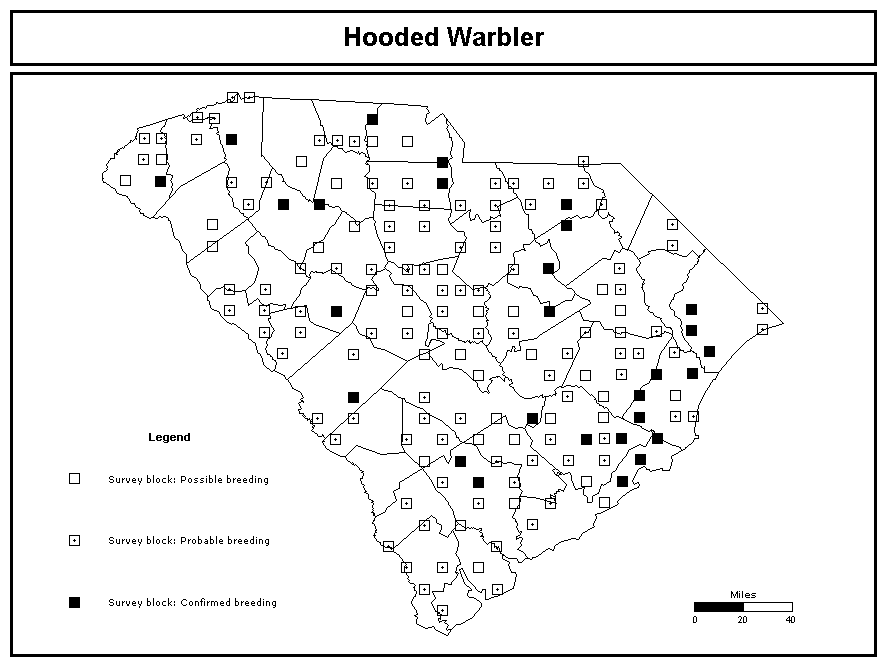
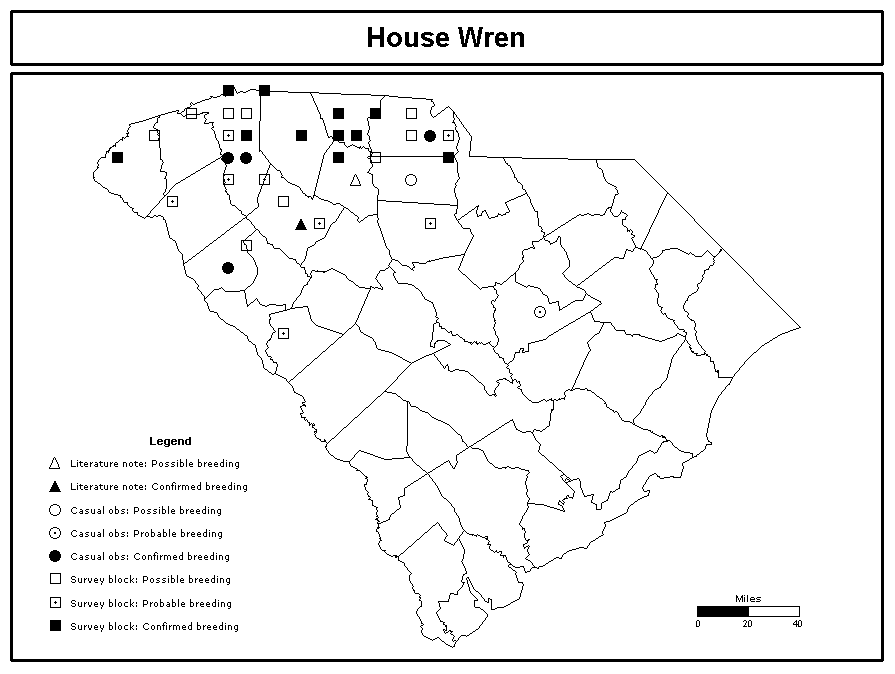
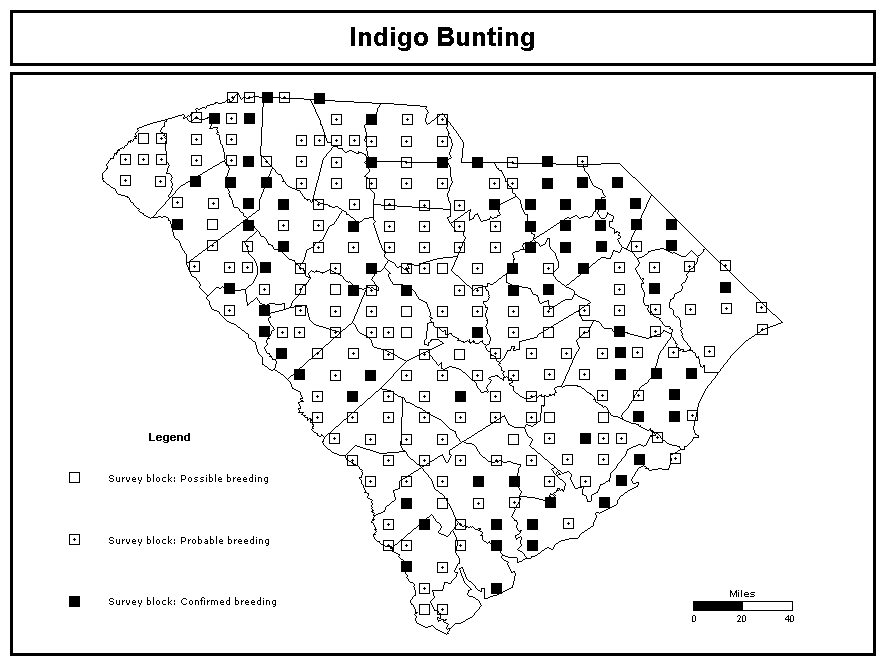
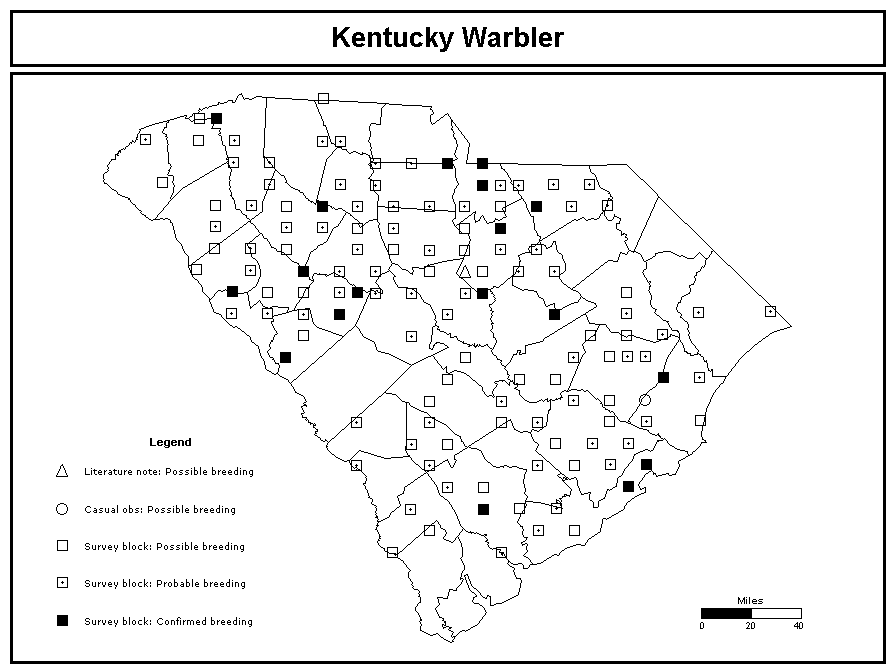
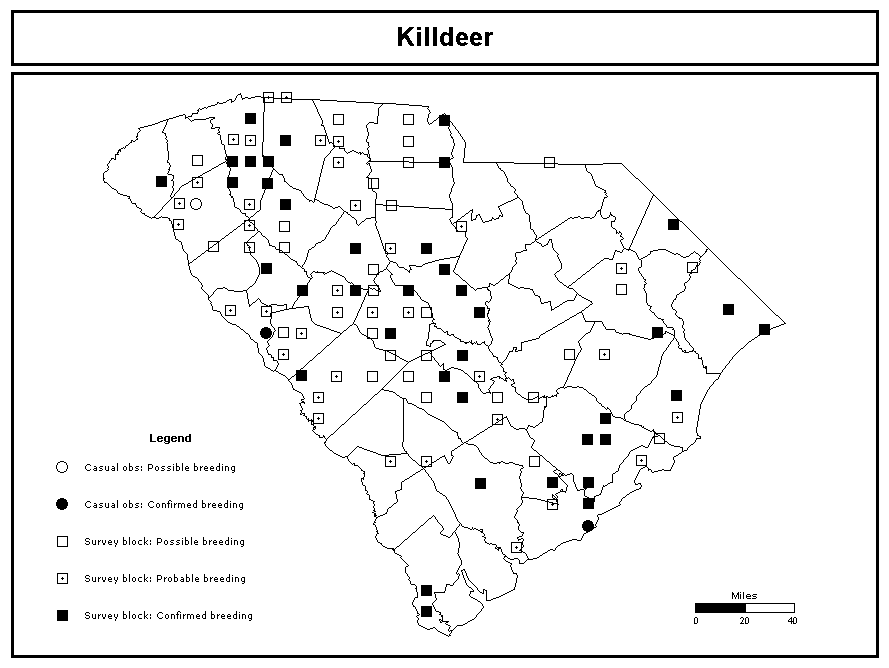
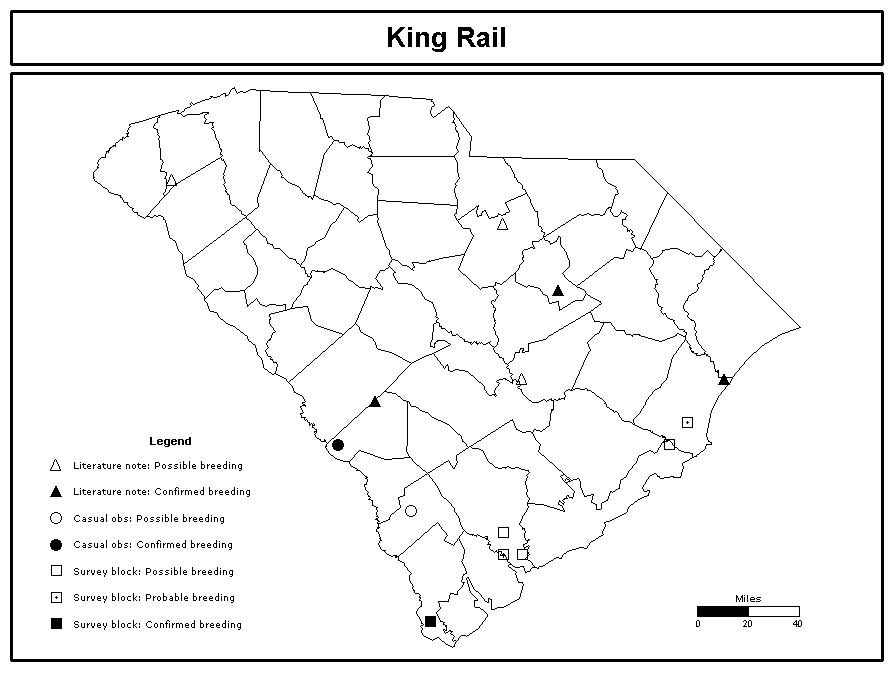
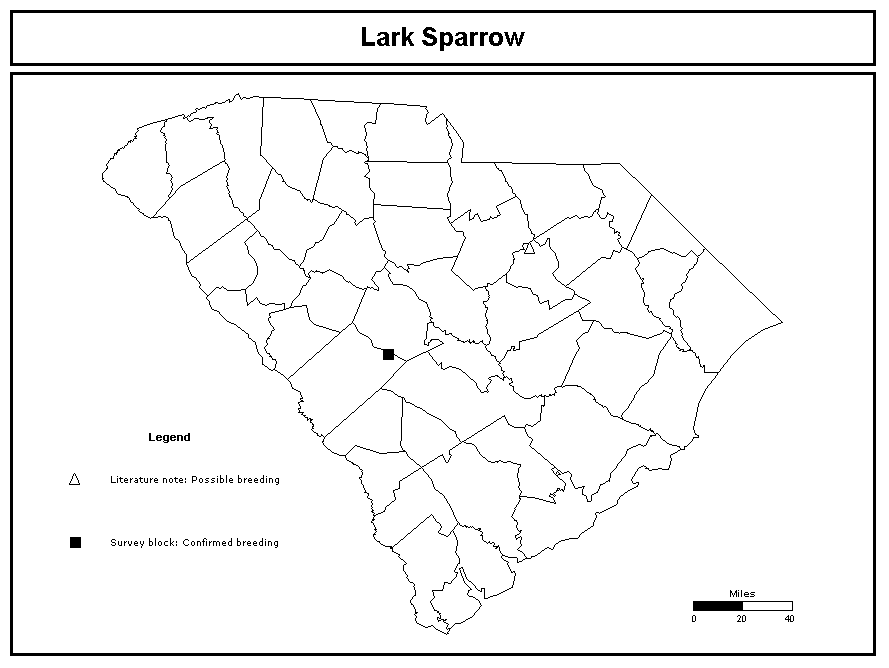
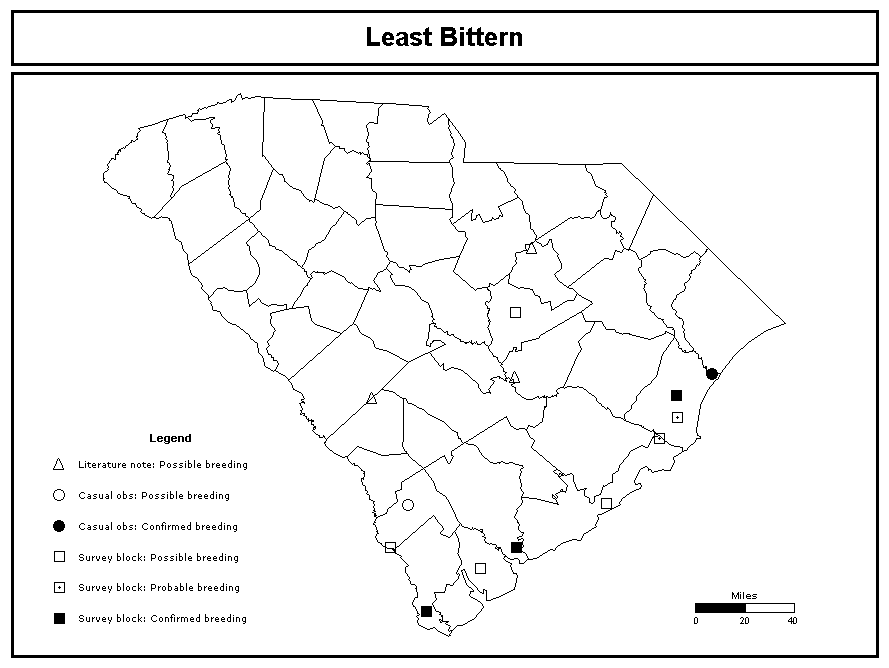
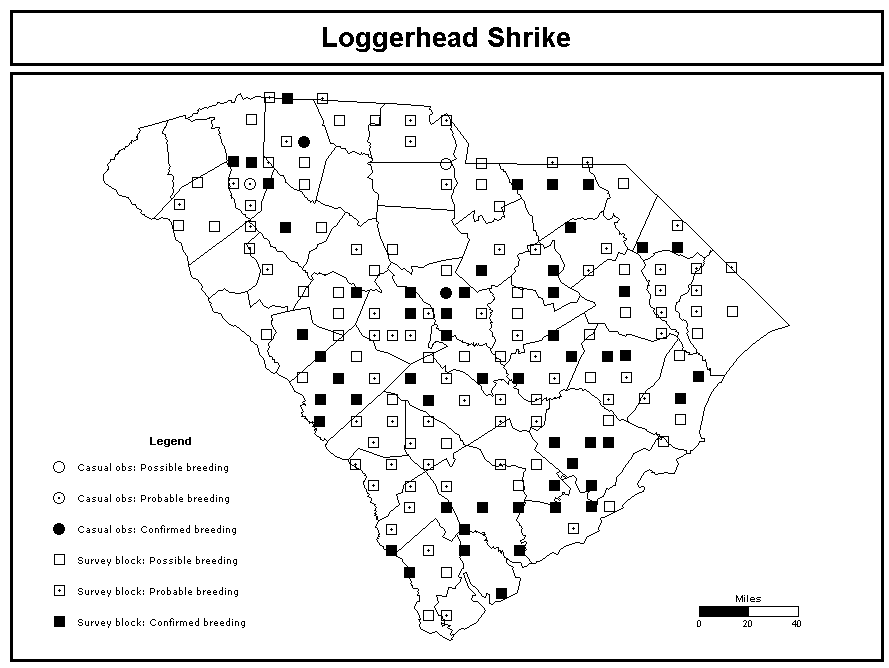
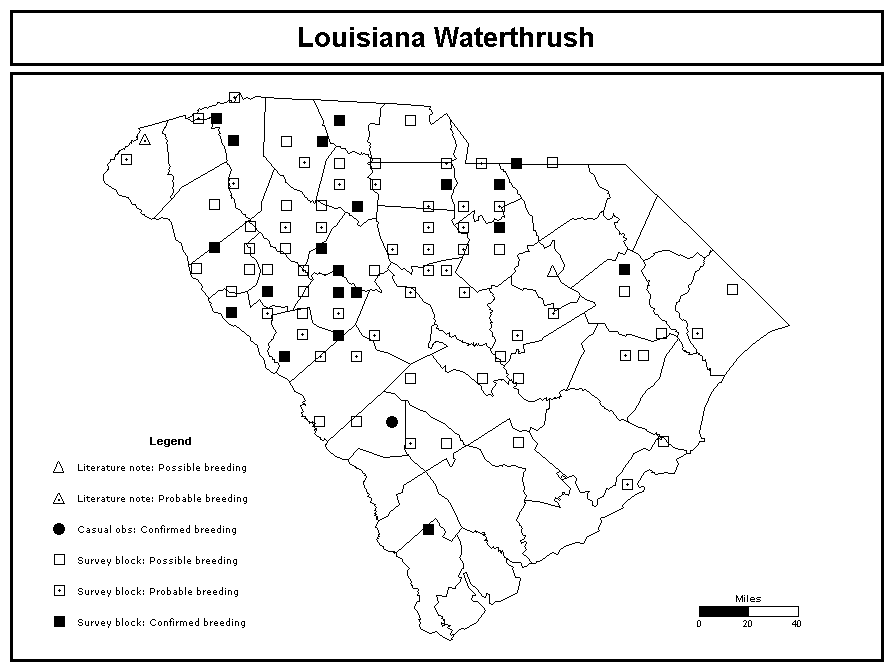
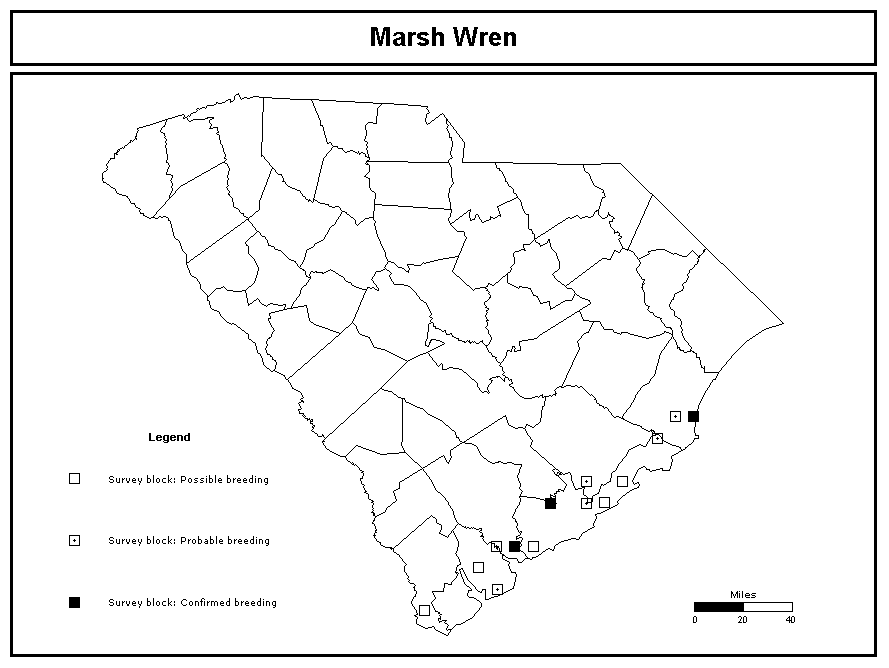
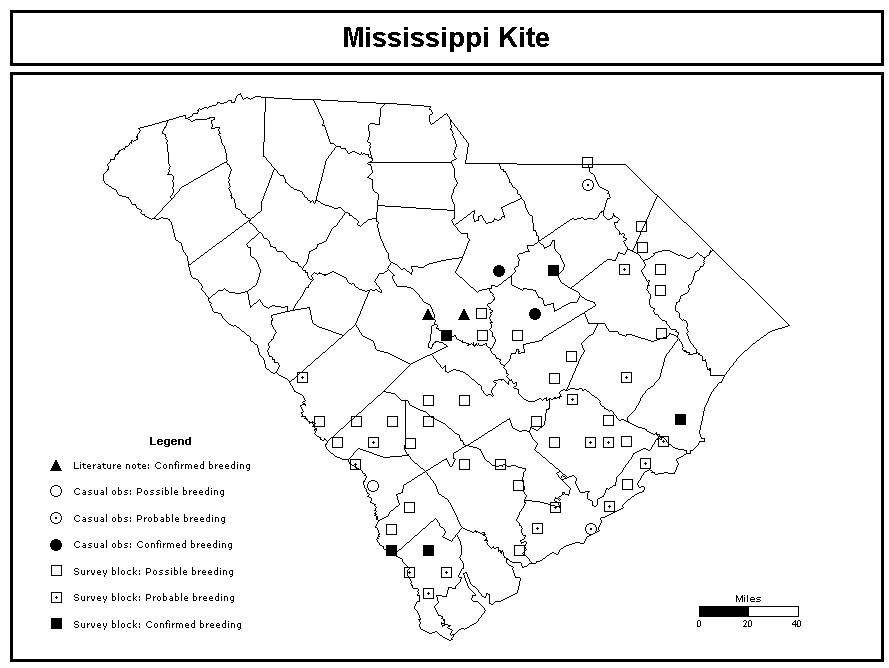
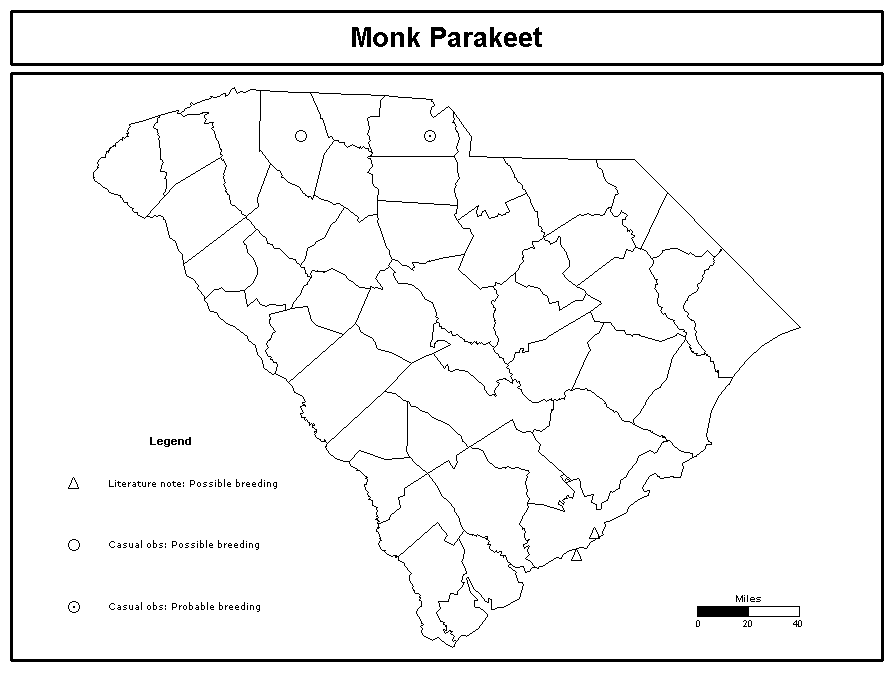
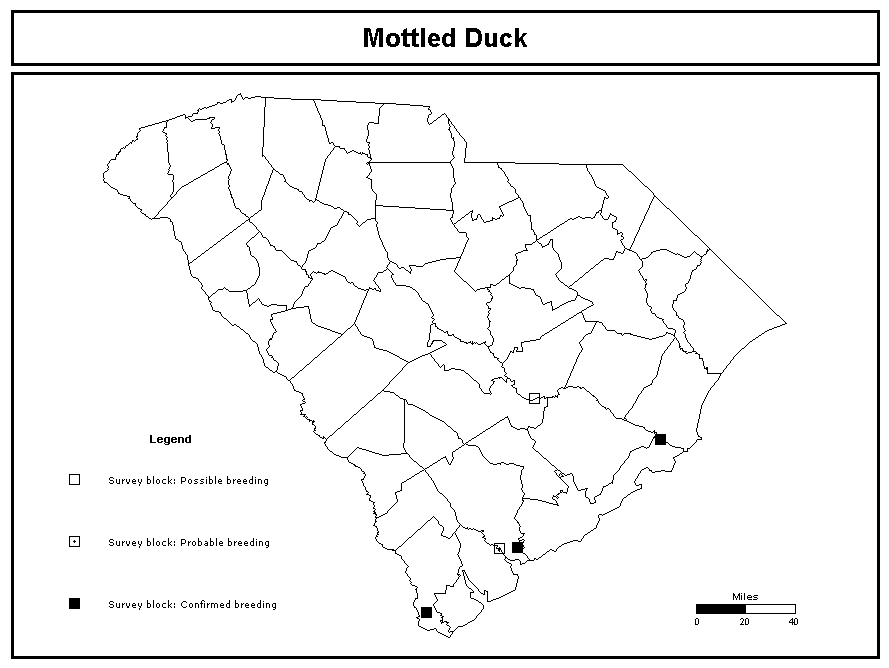
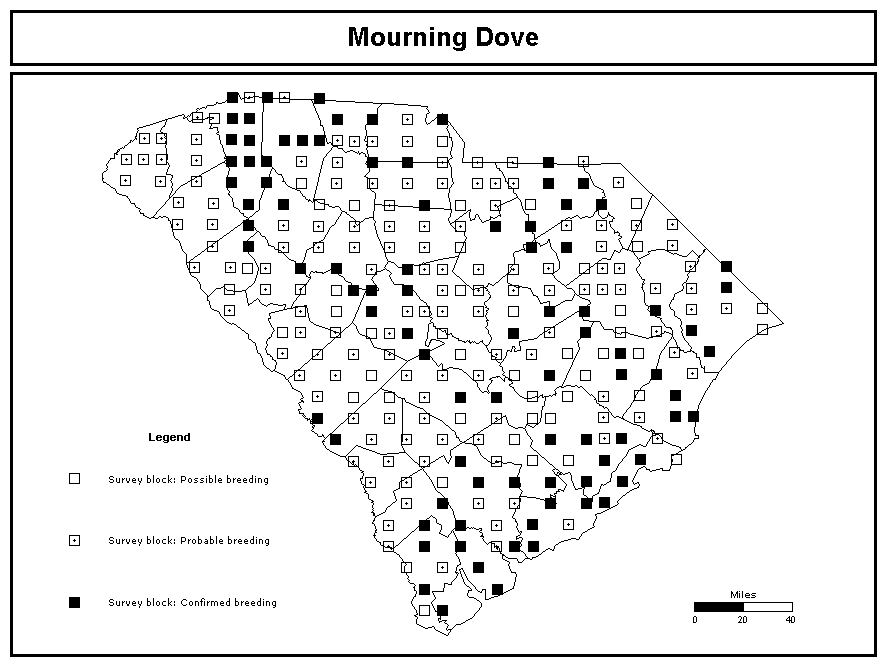
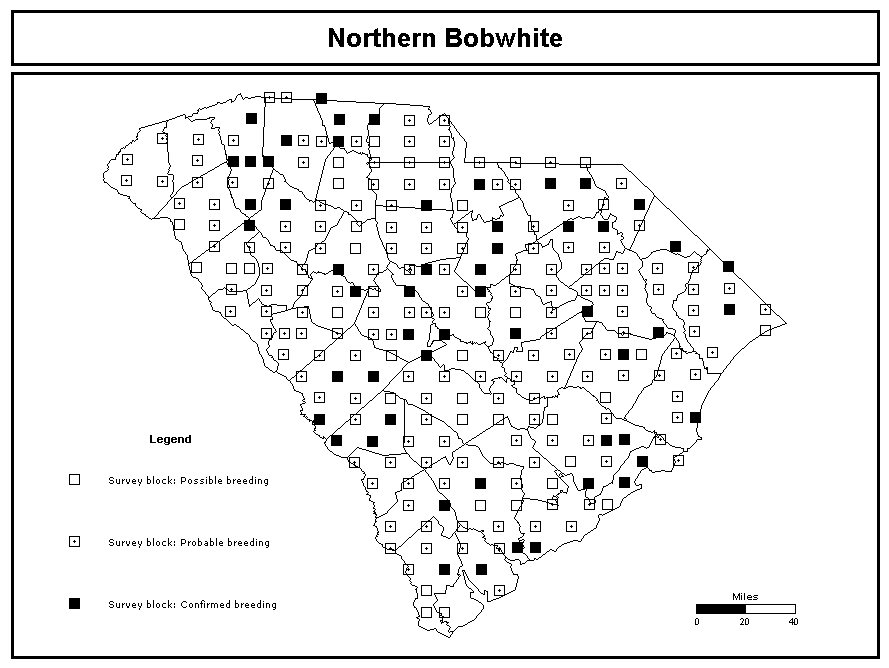
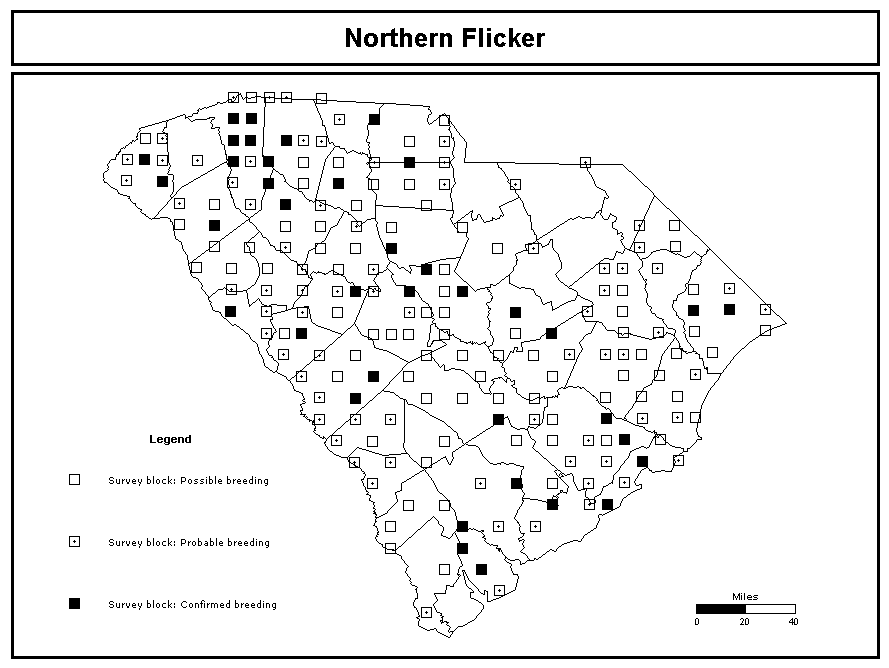
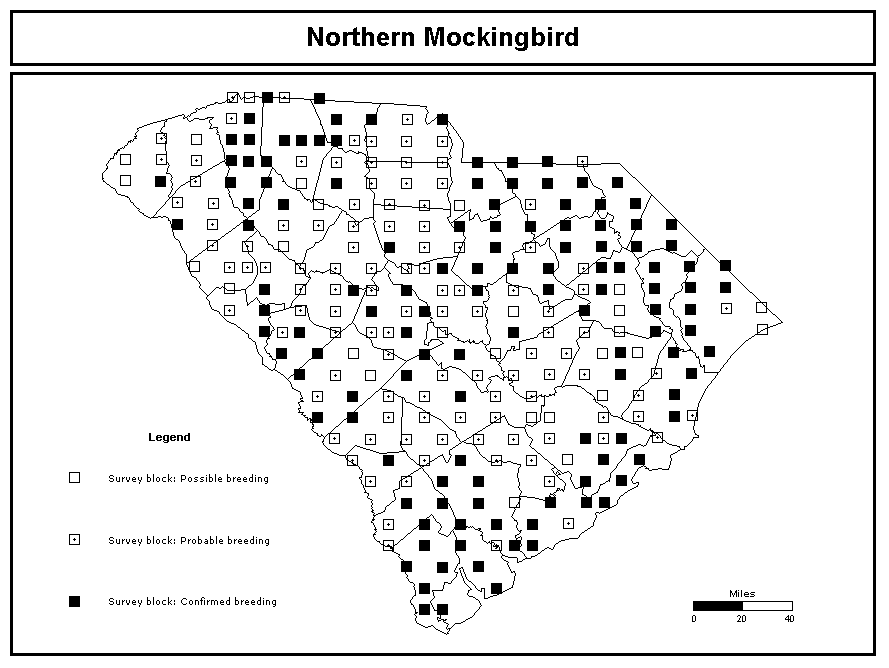
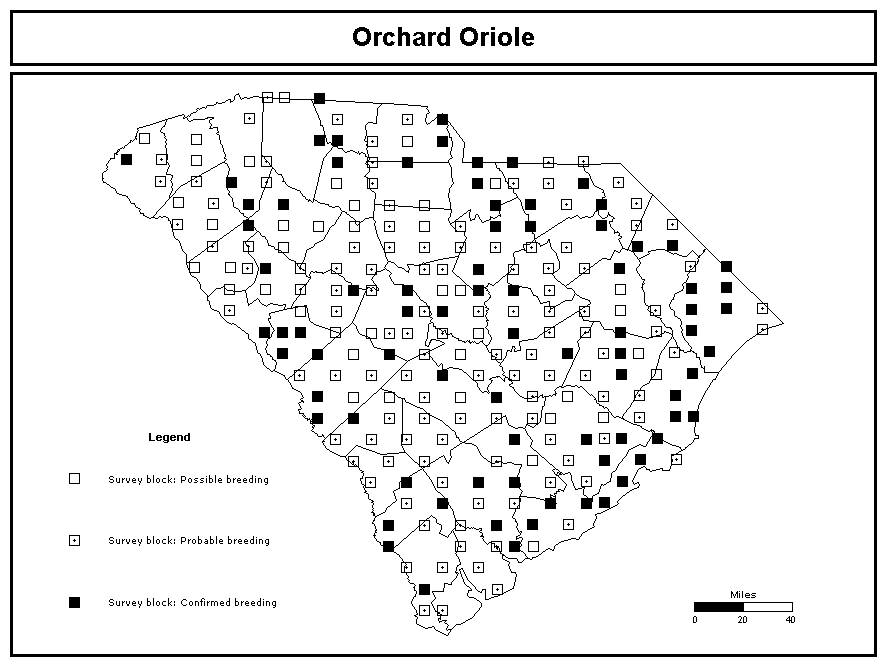
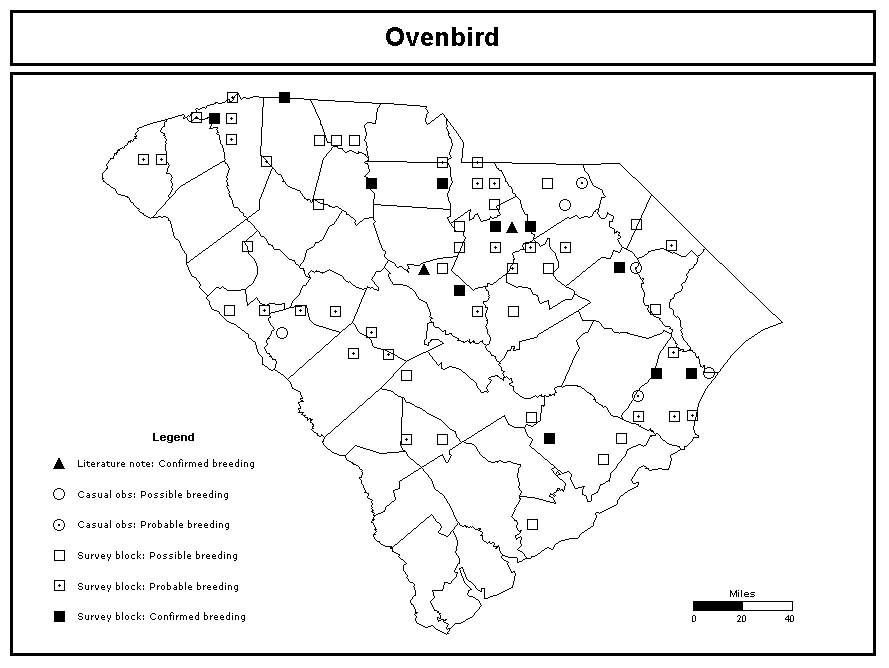
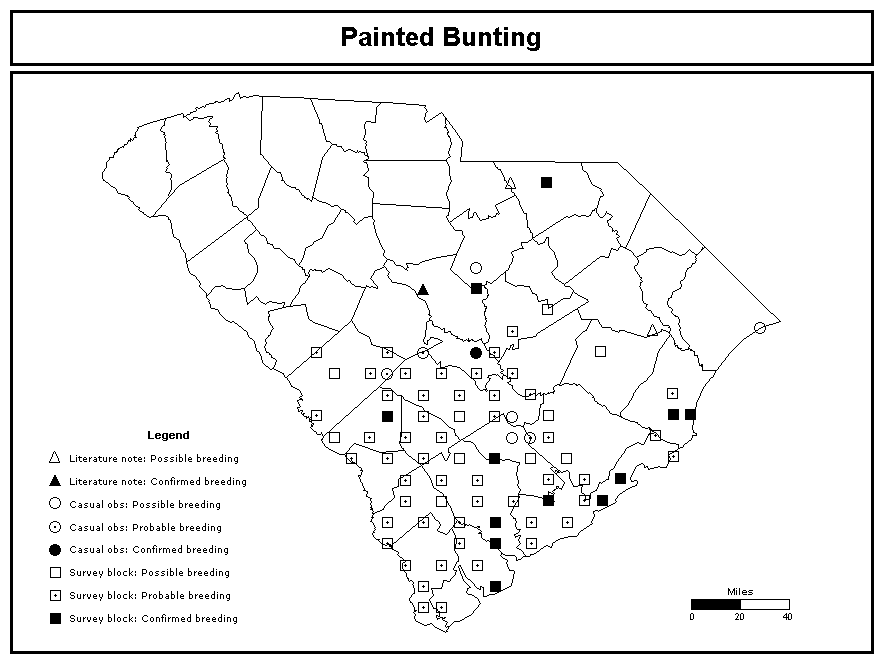
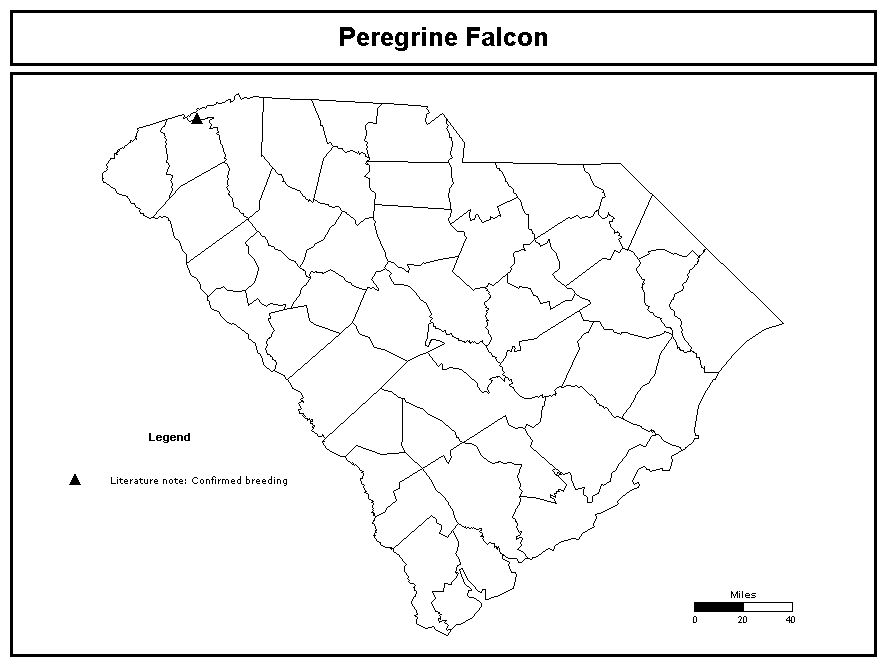
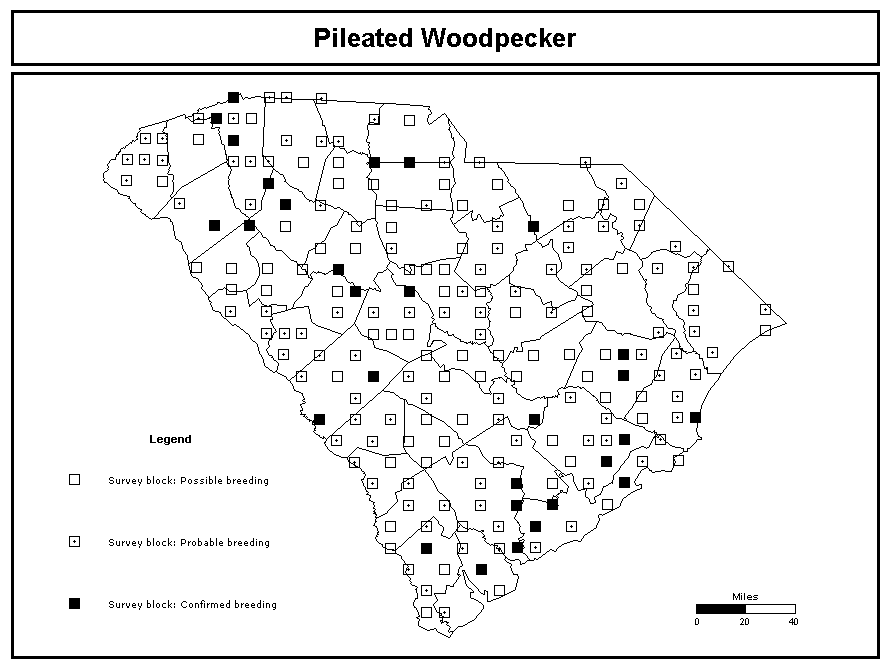
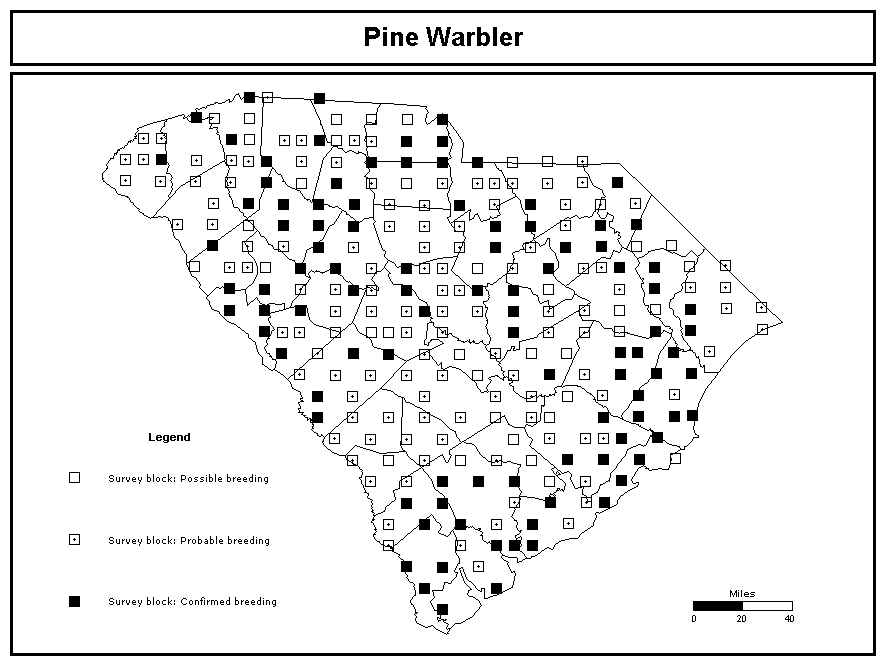
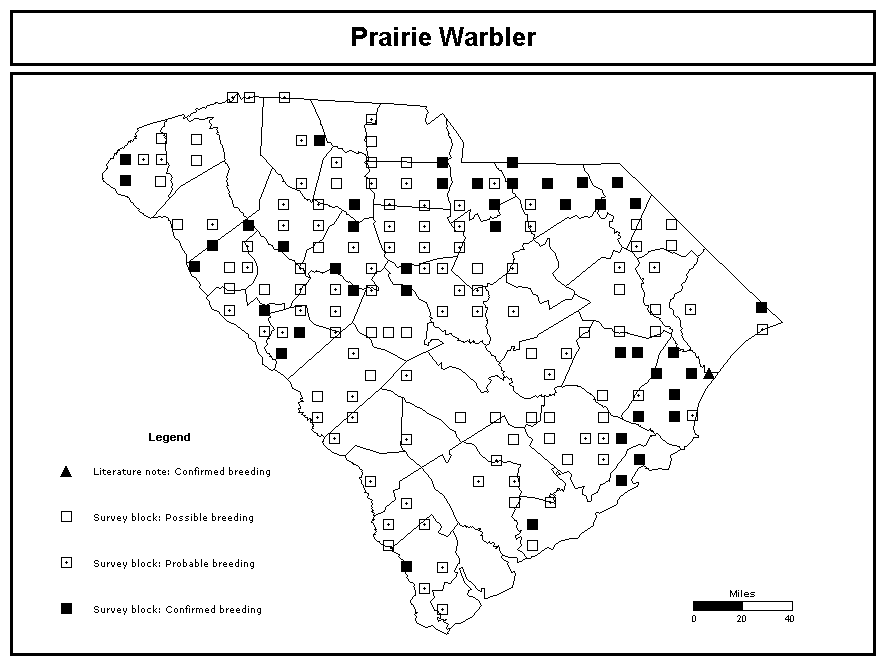
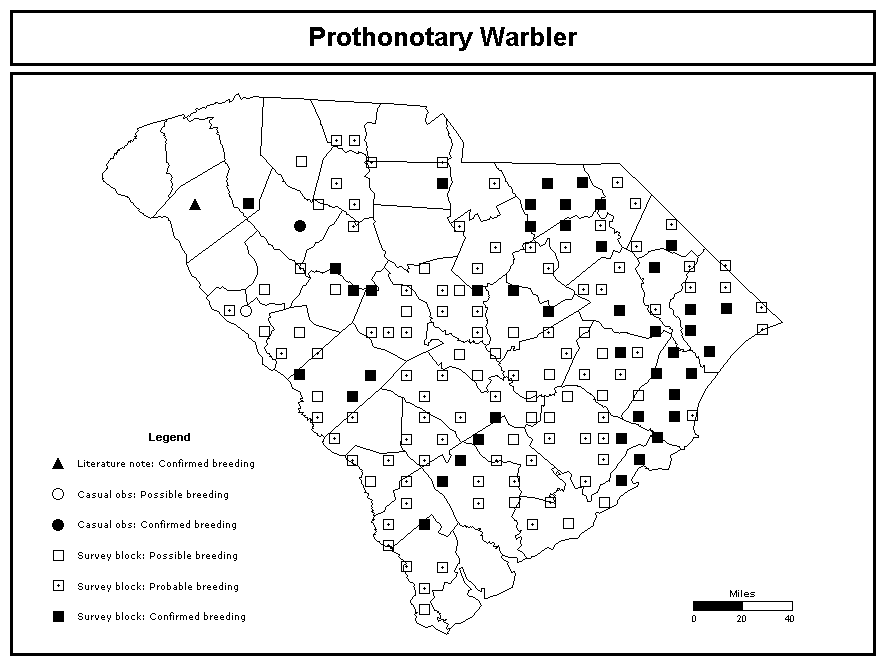
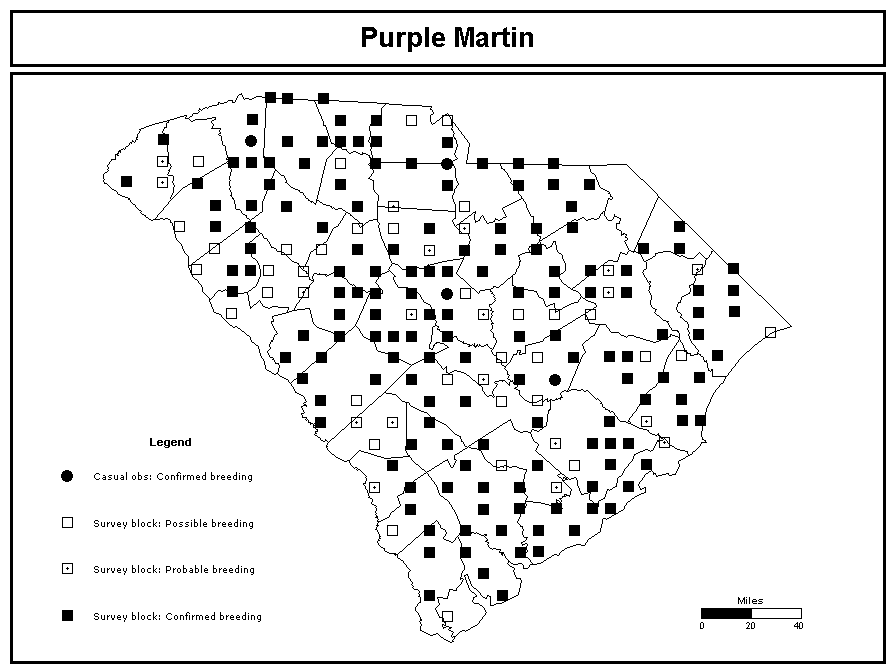
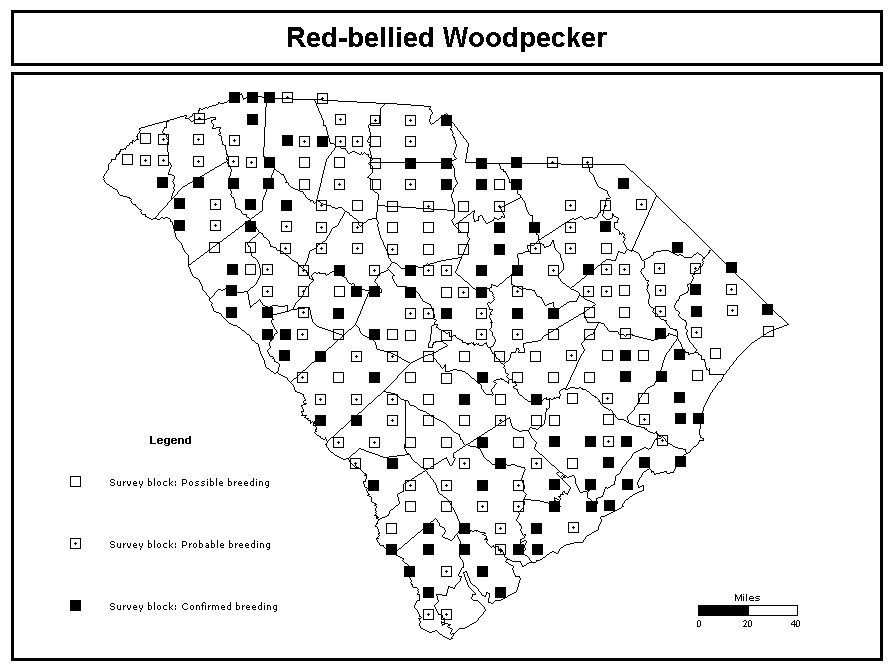
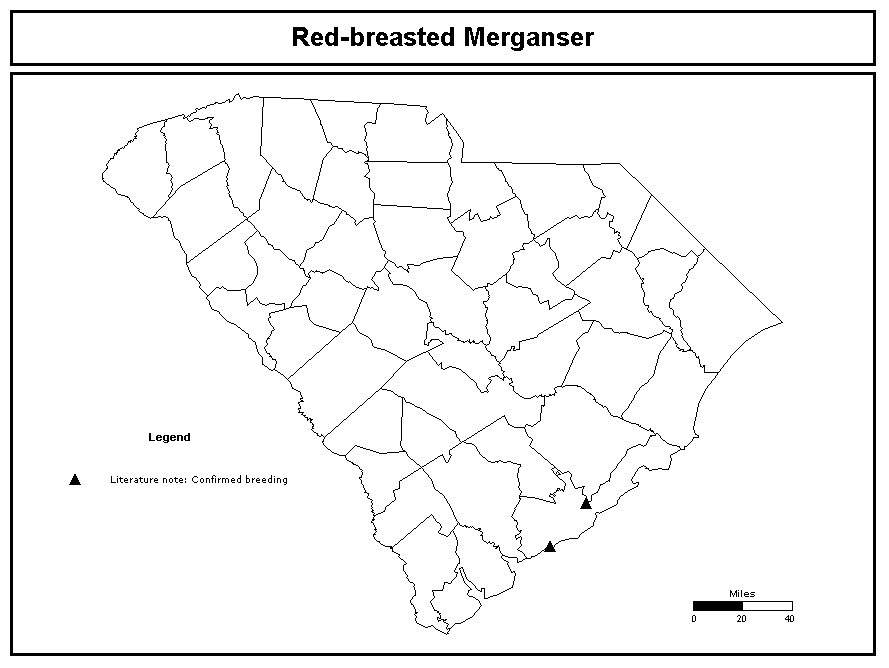
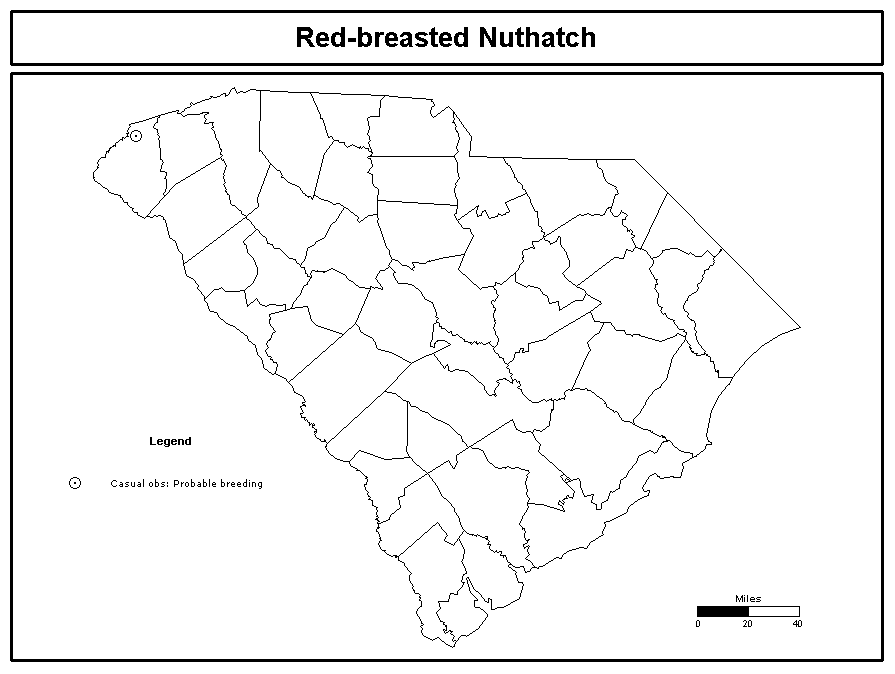
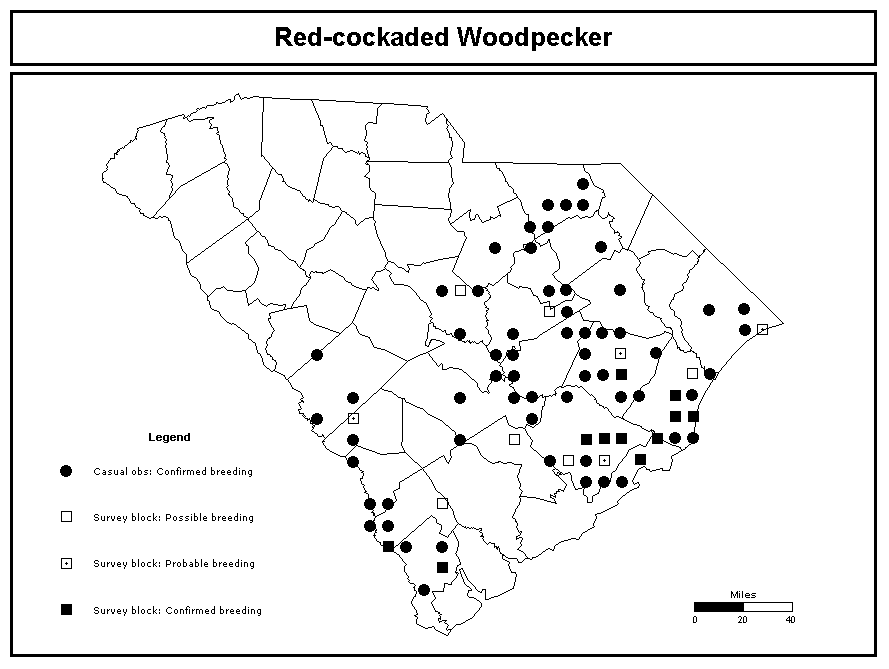
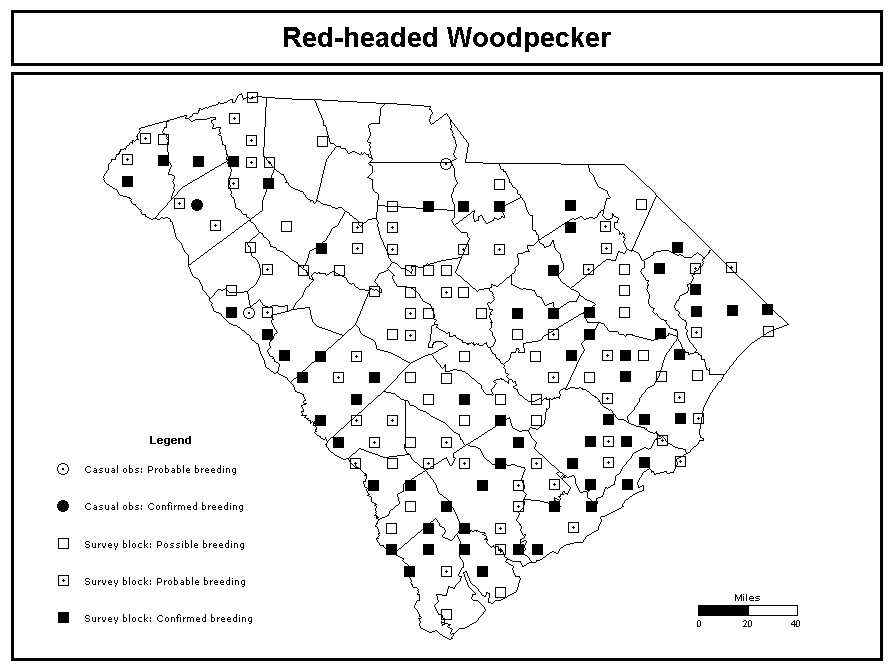
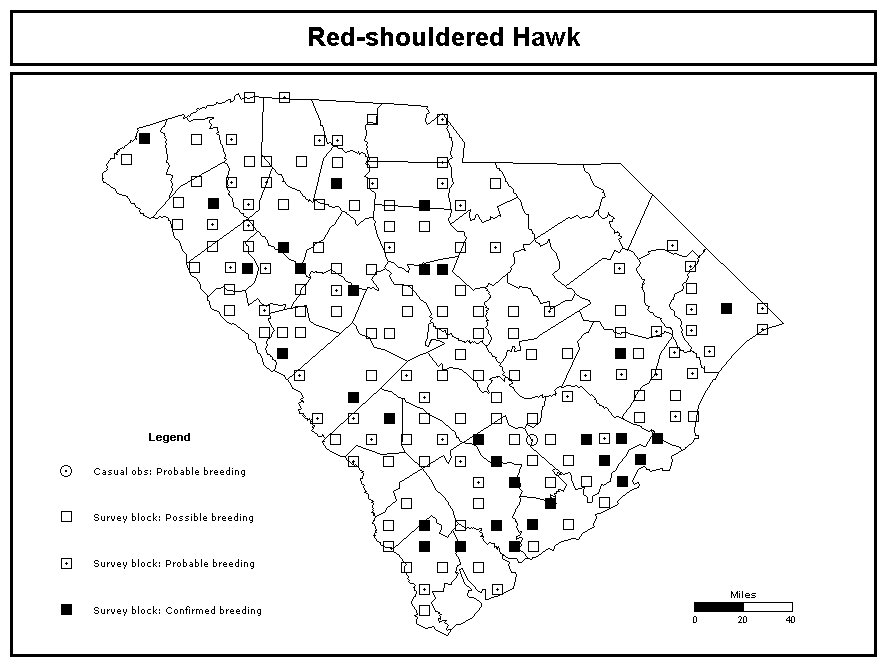
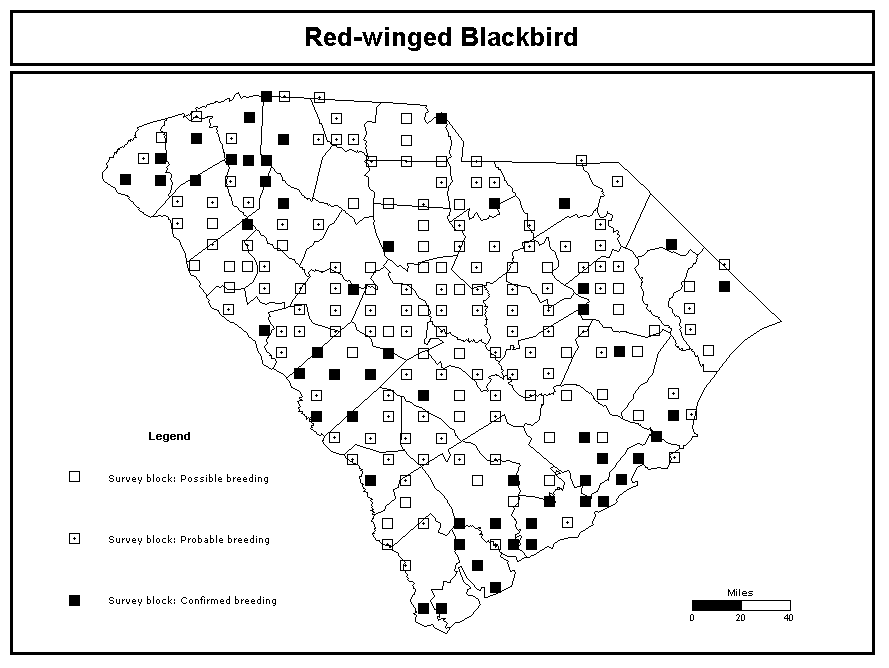
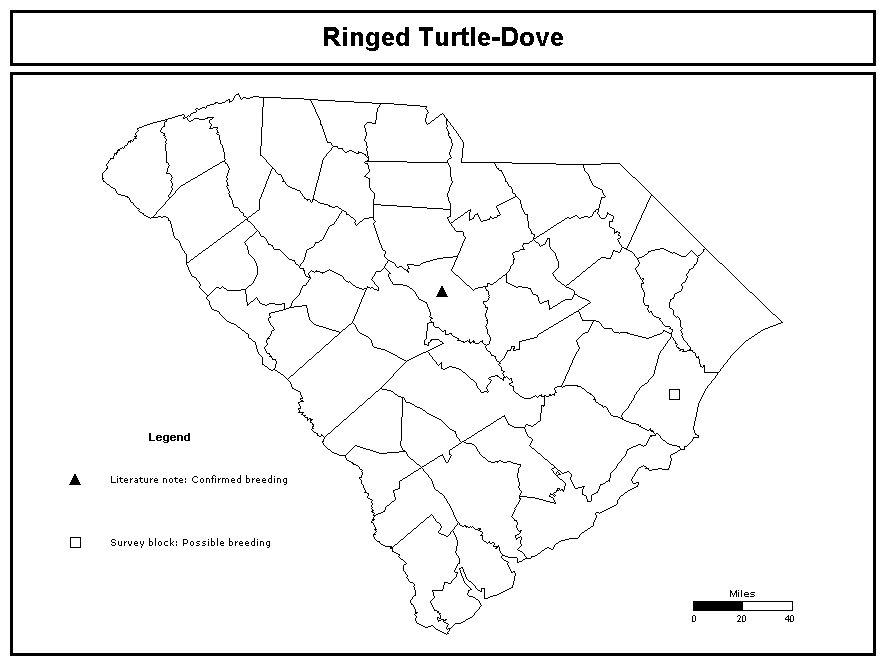
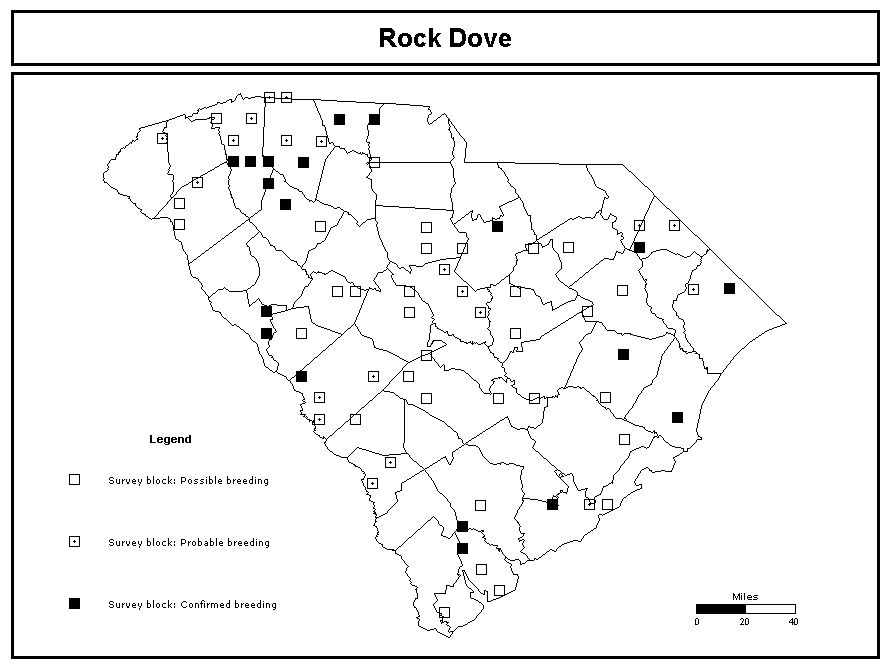
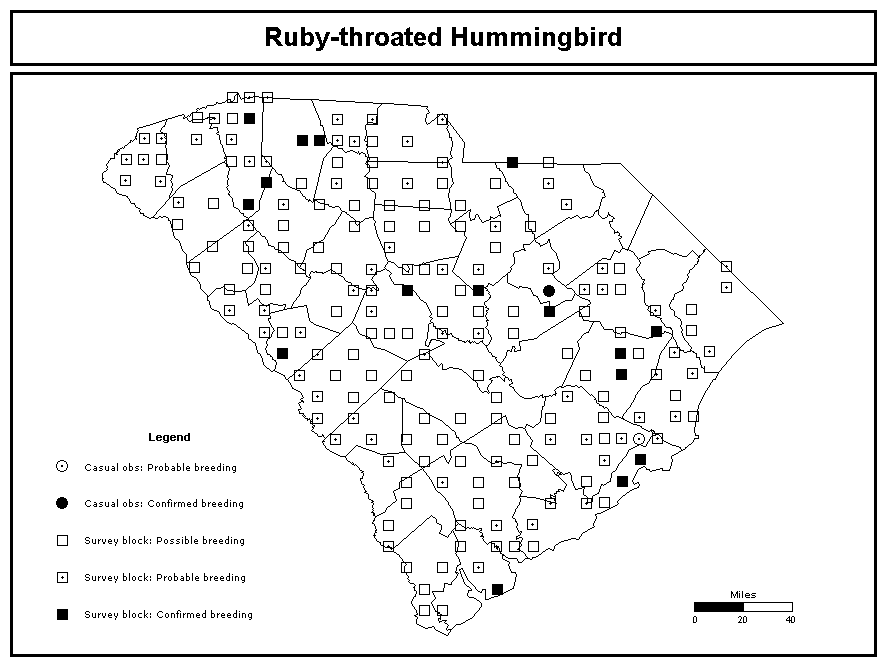
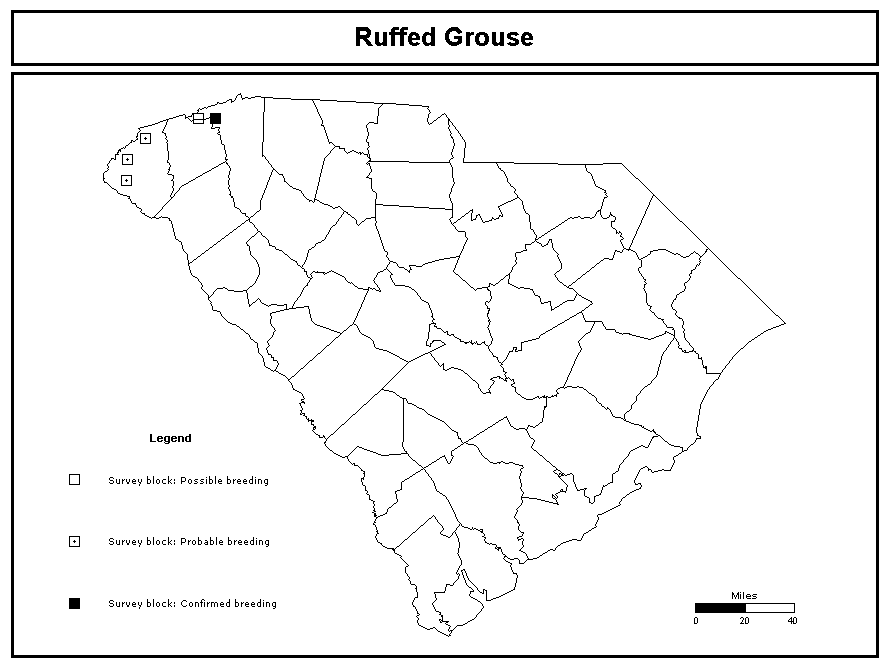
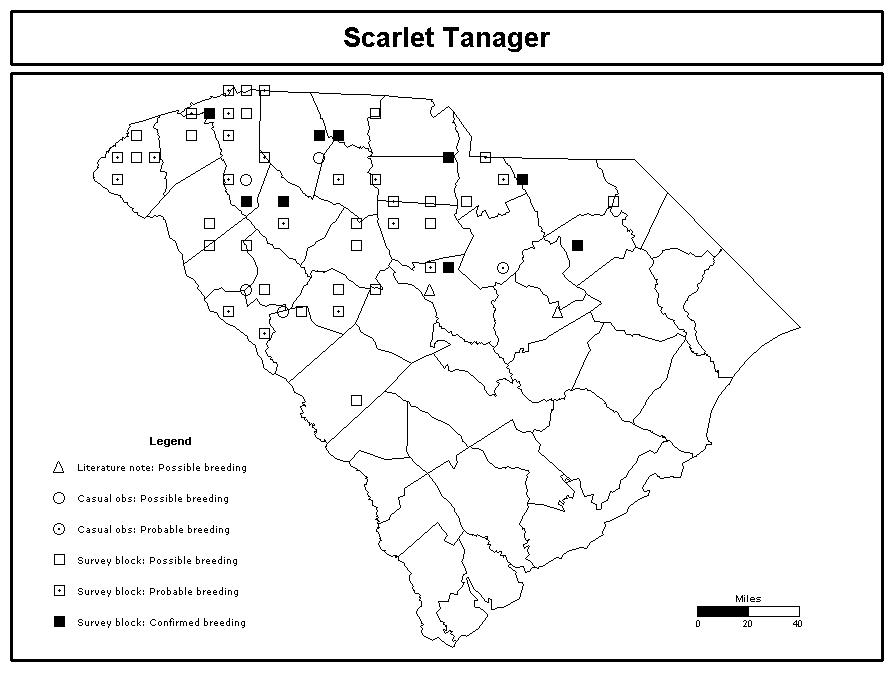
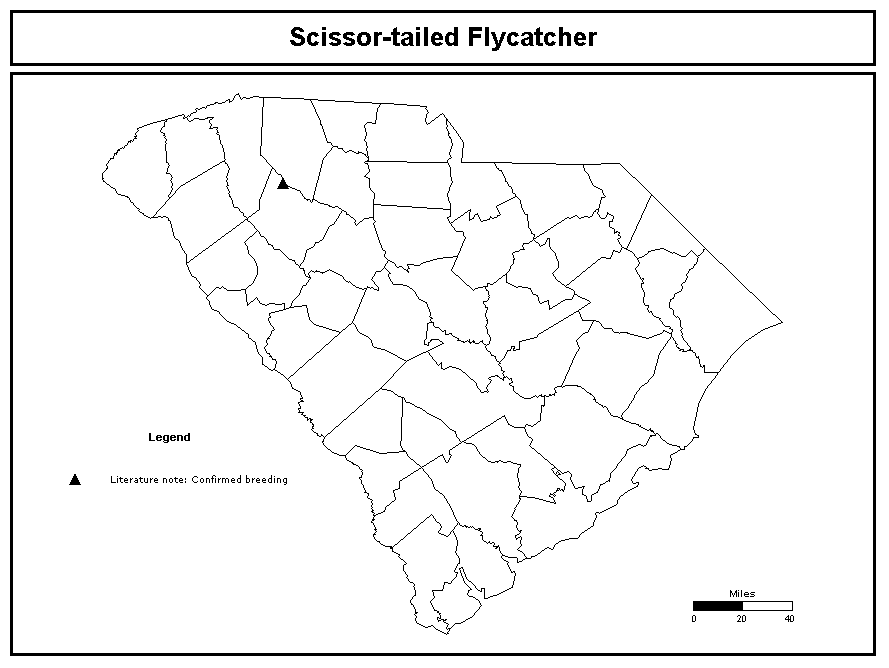
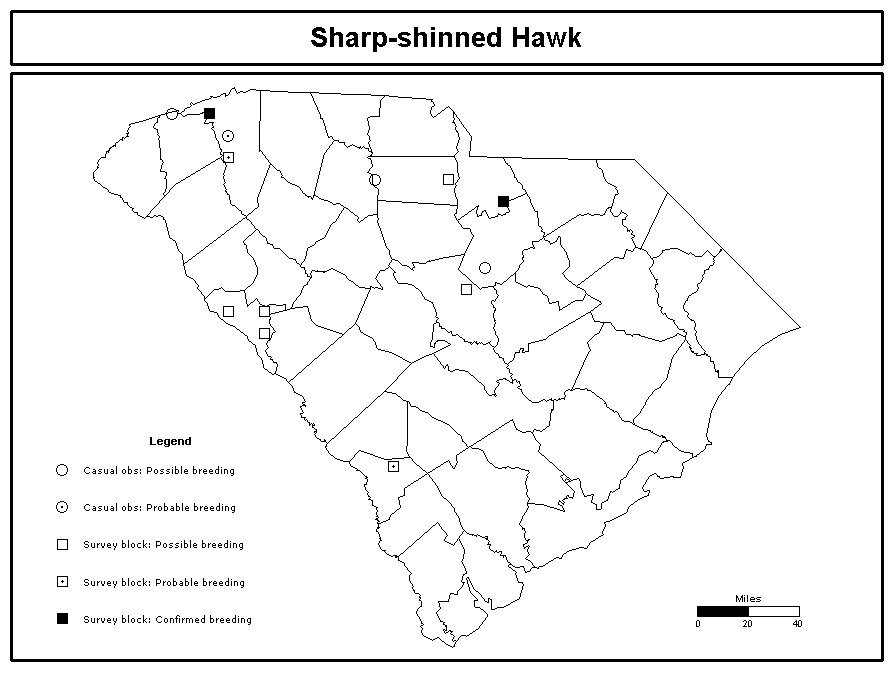
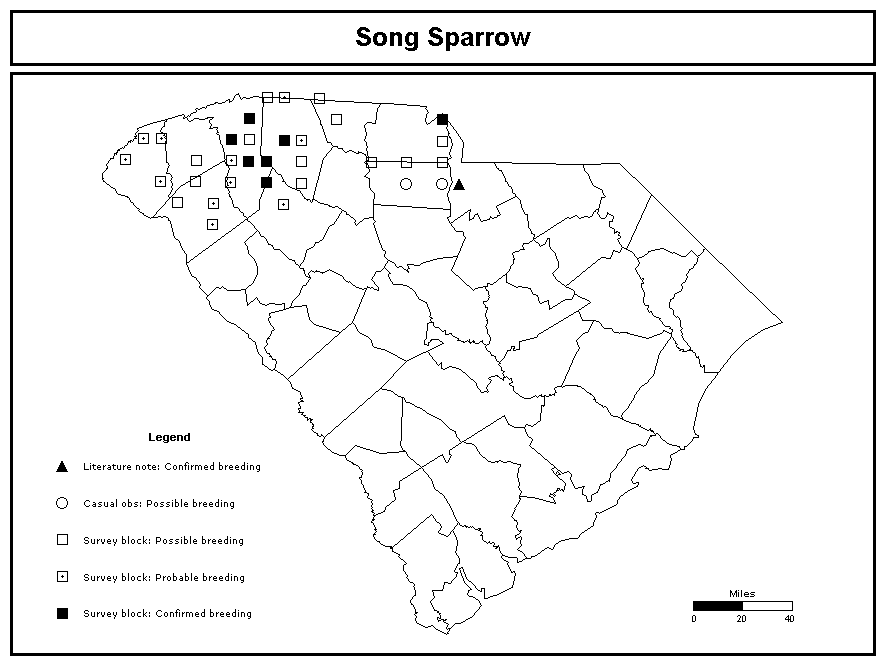
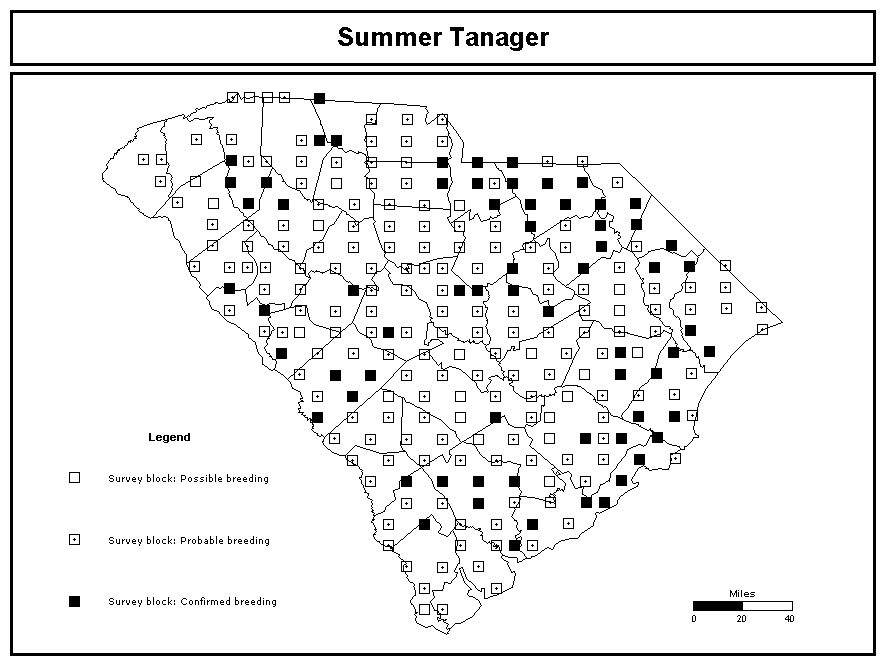
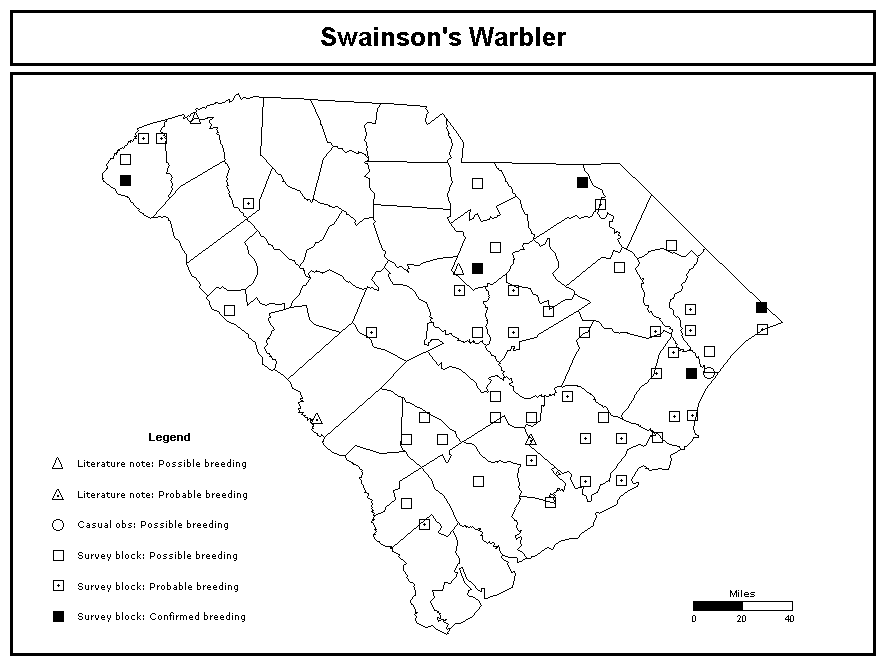
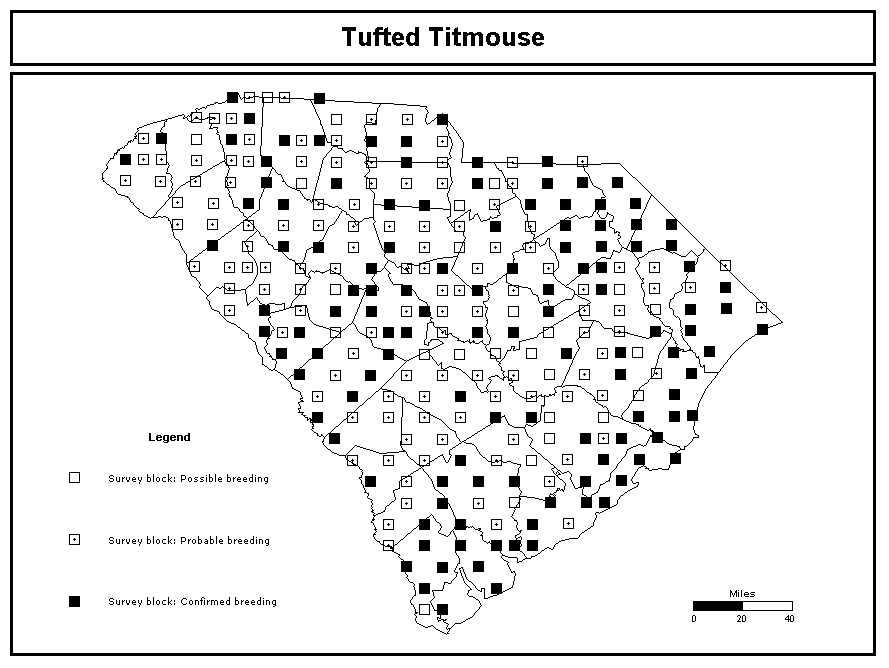
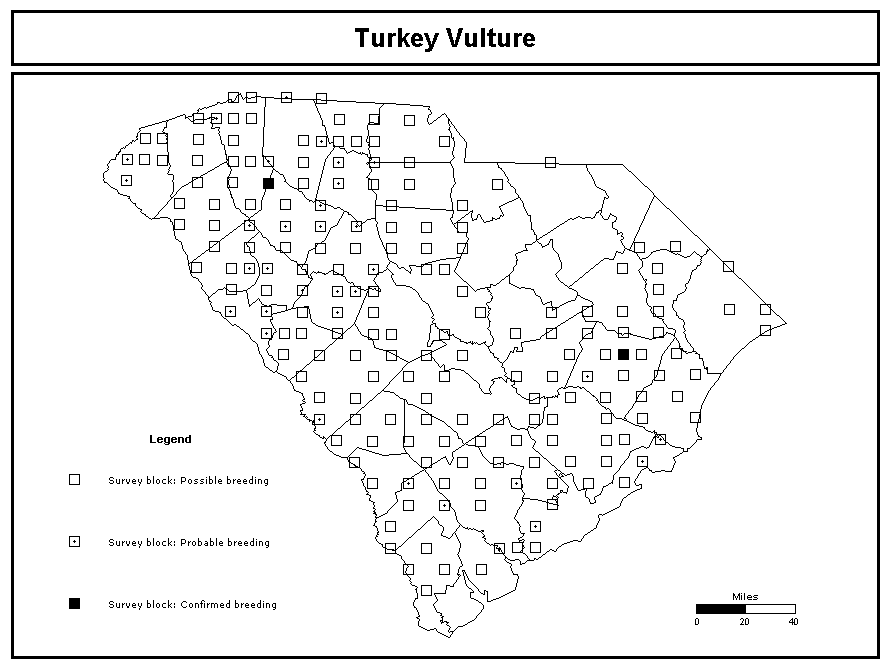
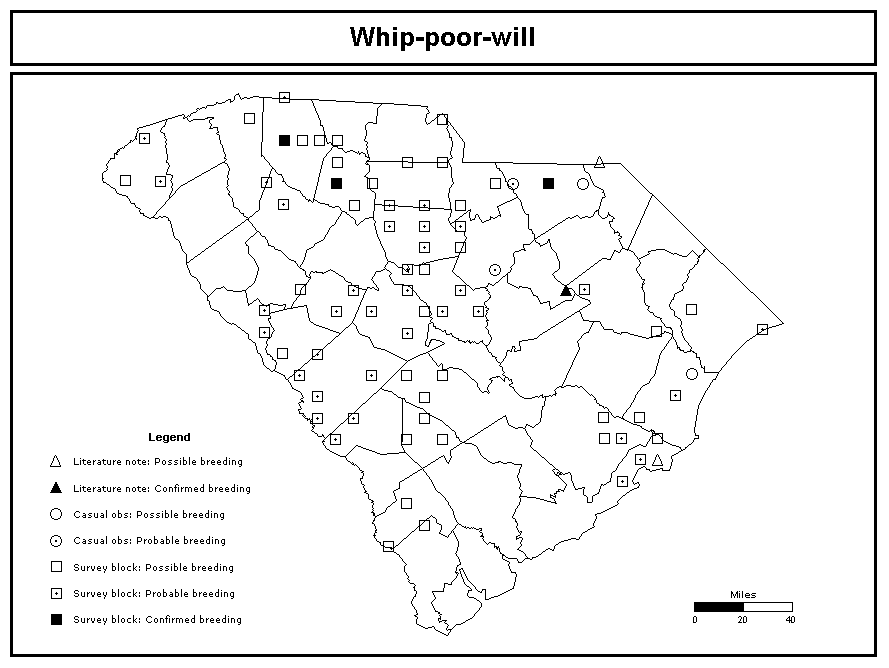
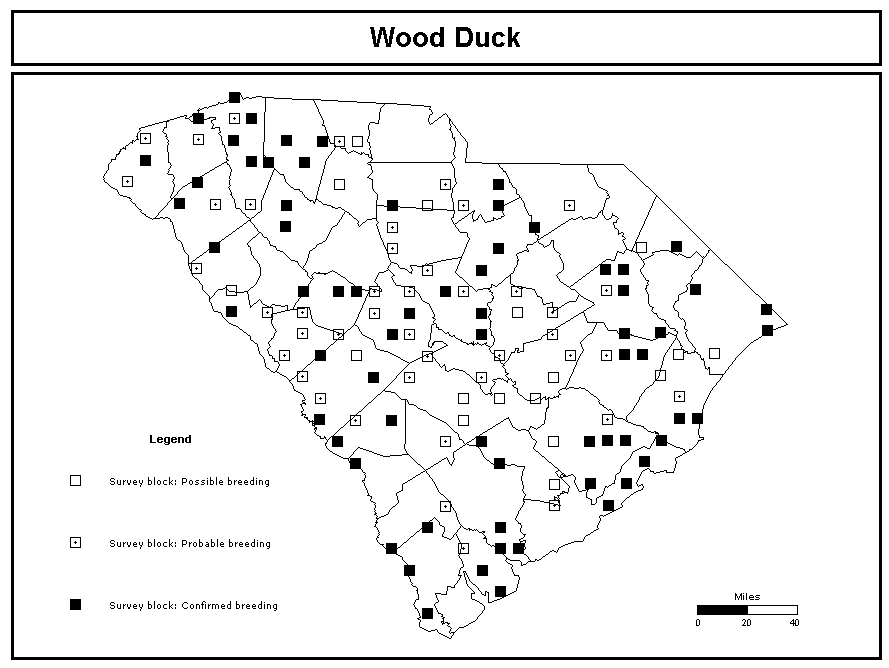
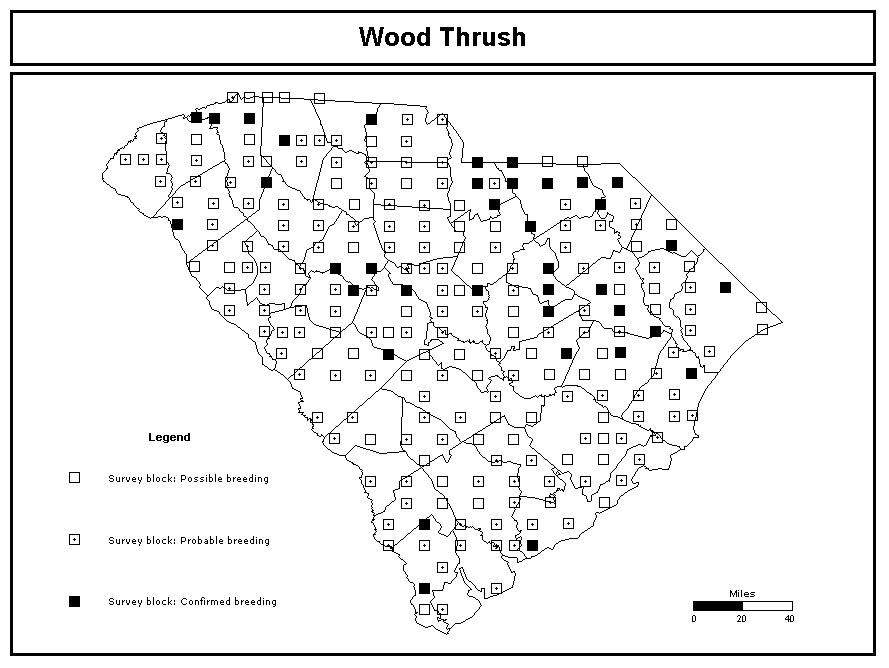
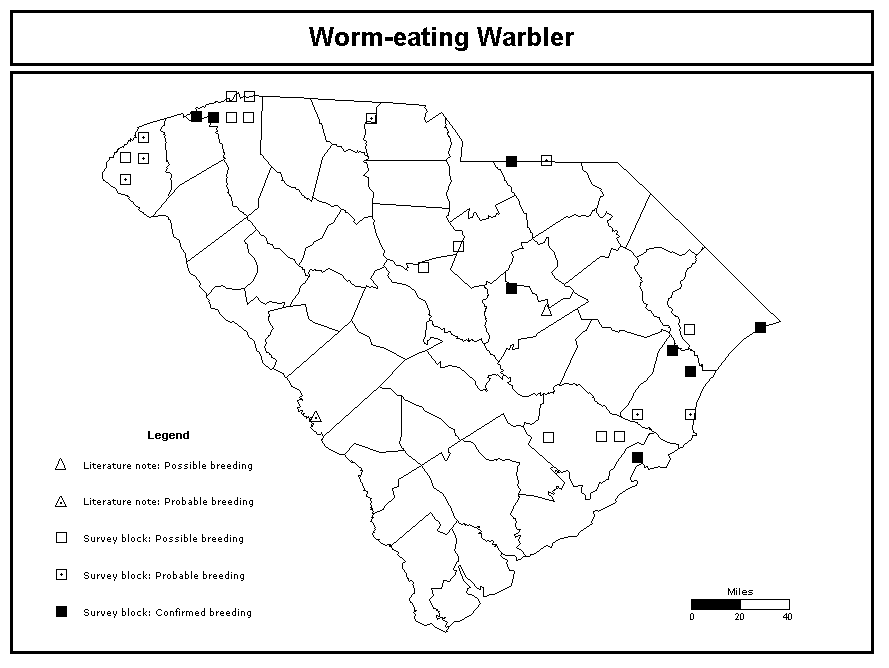
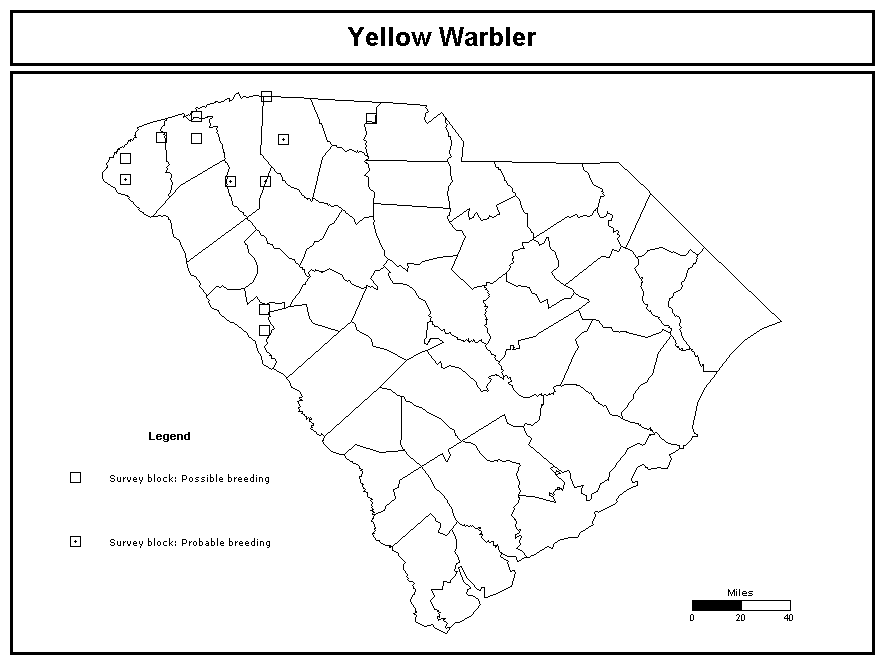
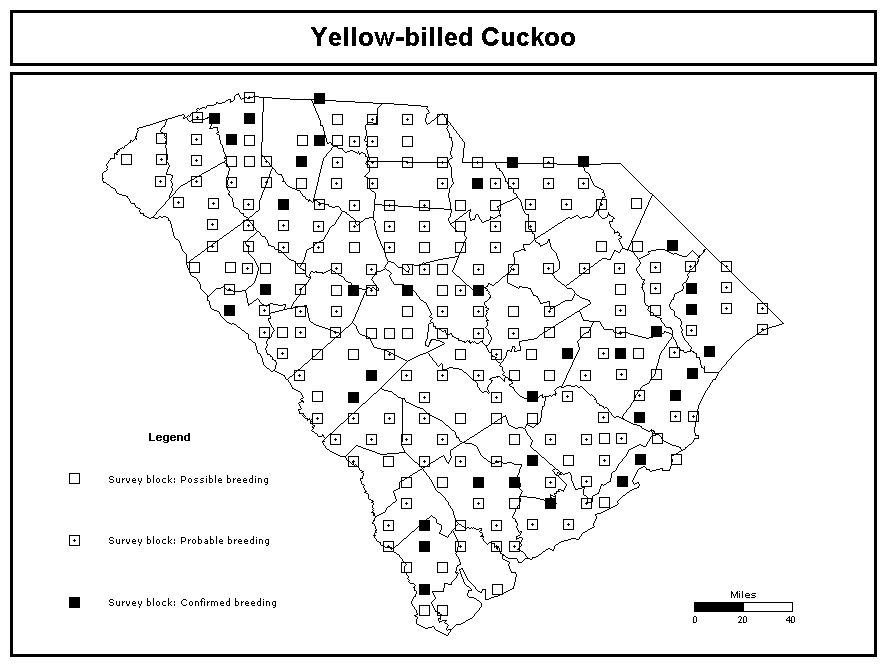
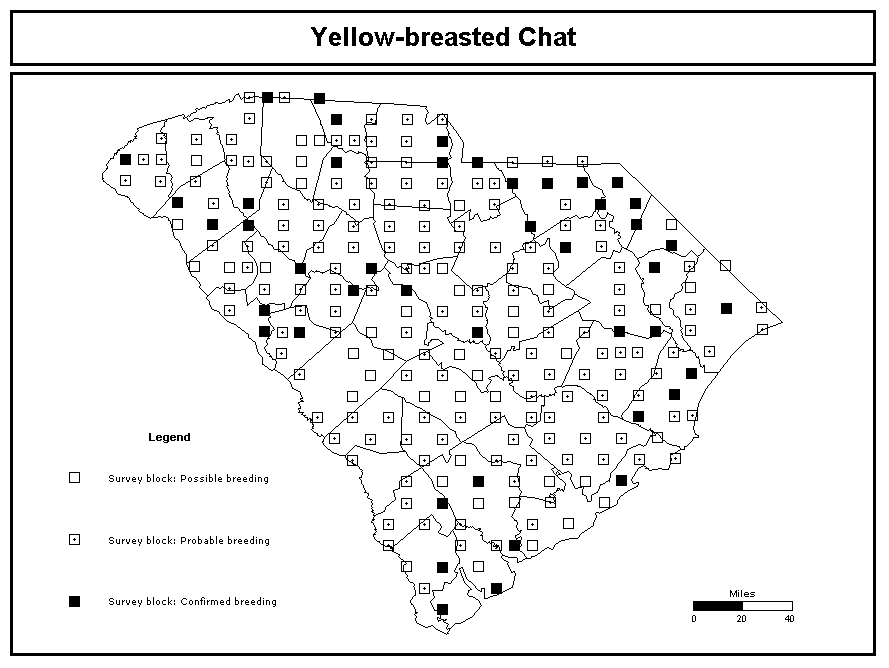
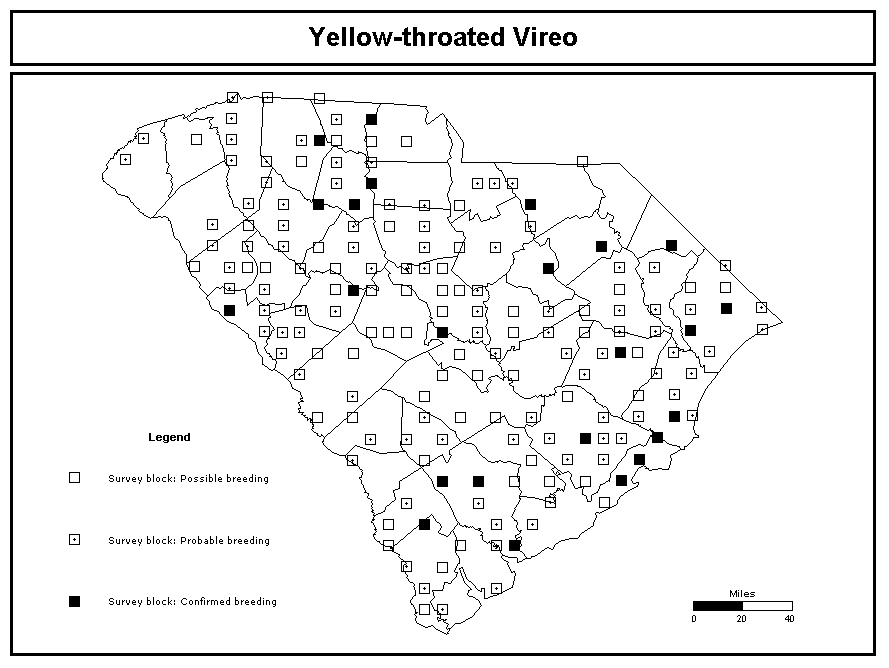
The Breeding Bird Atlas (BBA) Project was designed to increase our knowledge of the states's breeding bird distribution and status through systematic surveys over a fixed period of time. The Atlas Project was patterned after similar surveys conducted in other states. One-sixth of a seven-and-a-half-minute USGS topographic quadrangle map, an area of about ten square miles, was the survey unit. Nearly all survey blocks were surveyed by volunteers, but unlike many states which had large numbers of volunteers, South Carolina had relatively few observers qualified to identify birds in the field by sight and sound. We were therefore only able to conduct a limited survey and used one block of every other quadrangle map as the survey unit. Breeding criteria, based on field observations, were similar to those in other states and grouped into 3 main catergories: possible, probable, and confirmed breeding. In order to get the best picture of a species' breeding range, we also used random observations ("casual observations") and information reported in the literature ("literature note"), mainly the Chat, the quarterly bulletin of the Carolina Bird Club, and unpublished field notes of various observers. Unpublished field notes and literature notes were used dating back to 1965, while casual observations were used during the same time period as the Atlas survey. Like most other states, we intended for the South Carolina BBA to be completed in 5 years. 1989 was the first full year of coverage, as 1988 got off to a late start and was used as a "trial run", but we had to extend coverage through 1994 and 1995 in order to finish all assigned blocks.
Because of restricted coverage, the South Carolina BBA did not effectively survey the breeding distribution of certain species such as Bald Eagles, Red-cockaded Woodpeckers, and other endangered and threatened birds, nor colonial-nesting wading birds or shorebirds. For information on the breeding status and ranges of the latter two groups, see Dodd, M.G., and T.M. Murphy. 1997. The status and distribution of wading birds in South Carolina, 1988-1996. Chat 61(3): 129-181 and Wilkinson, P.M. 1997. Survey and census of colonial nesting seabirds in South Carolina. Chat 61(4): 233-259.
Because of space limitations, it is not possible to acknowledge the more than 175 volunteers here who contributed to the South Carolina BBA. However, we would like to recognize those individuals who surveyed five or more Atlas blocks: Robin Carter, Dennis Forsythe, Lex Glover, Tim Kalbach, Tom Nicolls, Perry Nugent, Bill Pulliam, and Peter Worthington. Katherine Boyle of the SC Department of Natural Resources also deserves special recognition for her dedication and software skills that made the final product possible.
Funding for the South Carolina Breeding Bird Atlas Project was made possible by the Endangered Wildlife Fund (formerly the Check for Wildlife), the Harry Hampton Memorial Wildlife Fund, the National Fish and Wildlife Foundation, the Robert W. Woodruff Foundation, and the US Fish and Wildlife Service's Pittman-Robertson Grant-in-Aid Program.
For more information email Amy Tegeler.
The names below will take you to see the Atlas maps

American Coot
American Crow
American Goldfinch
American Kestrel
American Redstart
American Robin

American Woodcock
Bachman's Sparrow
Baltimore Oriole
Barn Owl
Barn Swallow

Barred Owl
Belted Kingfisher
Black Rail
Black Vulture

Black-and-white Warbler
Black-throated Blue Warbler

Black-throated Green Warbler
Blackburnian Warbler

Blue Grosbeak
Blue Jay
Blue-gray Gnatcatcher
Blue-headed Vireo
Blue-winged Teal
Blue-winged Warbler
Boat-tailed Grackle
Broad-winged Hawk

Brown Thrasher
Brown-headed Cowbird
Brown-headed Nuthatch
Canada Goose

Carolina Chickadee
Carolina Wren

Cedar Waxwing
Cerulean Warbler

Chestnut-sided Warbler
Chimney Swift
Chipping Sparrow
Chuck-will's-widow

Clapper Rail
Cliff Swallow
Common Grackle

Common Ground-Dove

Common Moorhen

Common Nighthawk
Common Raven
Common Yellowthroat
Cooper's Hawk

Dickcissel
Downy Woodpecker
Eastern Bluebird
Eastern Kingbird
Eastern Meadowlark
Eastern Phoebe
Eastern Screech-Owl

Eastern Towhee
Eastern Wood-Pewee
Eurasian Collared-Dove
European Starling
Field Sparrow

Fish Crow

Golden-crowned Kinglet

Grasshopper Sparrow
Gray Catbird
Gray Kingbird
Great Crested Flycatcher

Great Horned Owl
Green Heron
Hairy Woodpecker
Hooded Merganser
Hooded Warbler
Horned Lark

House Finch

House Sparrow

House Wren
Indigo Bunting
Kentucky Warbler
Killdeer
King Rail
Lark Sparrow
Least Bittern
Loggerhead Shrike
Louisiana Waterthrush
Mallard

Marsh Wren
Mississippi Kite
Monk Parakeet
Mottled Duck
Mourning Dove
Northern Bobwhite
Northern Cardinal

Northern Flicker
Northern Mockingbird
Northern Parula

Northern Rough-winged Swallow

Orchard Oriole
Painted Bunting
Peregrine Falcon
Pied-billed Grebe

Pileated Woodpecker
Pine Warbler
Prairie Warbler
Prothonotary Warbler
Purple Gallinule

Purple Martin
Red Crossbill

Red-bellied Woodpecker
Red-breasted Merganser
Red-breasted Nuthatch
Red-cockaded Woodpecker
Red-eyed Vireo

Red-headed Woodpecker
Red-shouldered Hawk
Red-tailed Hawk

Red-winged Blackbird
Ringed Turtle-Dove
Rock Dove
Ruby-throated Hummingbird
Ruffed Grouse
Scarlet Tanager
Scissor-tailed Flycatcher
Seaside Sparrow

Sharp-shinned Hawk
Song Sparrow
Summer Tanager
Swainson's Warbler
Swallow-tailed Kite

Tufted Titmouse
Turkey Vulture
Warbling Vireo

Whip-poor-will
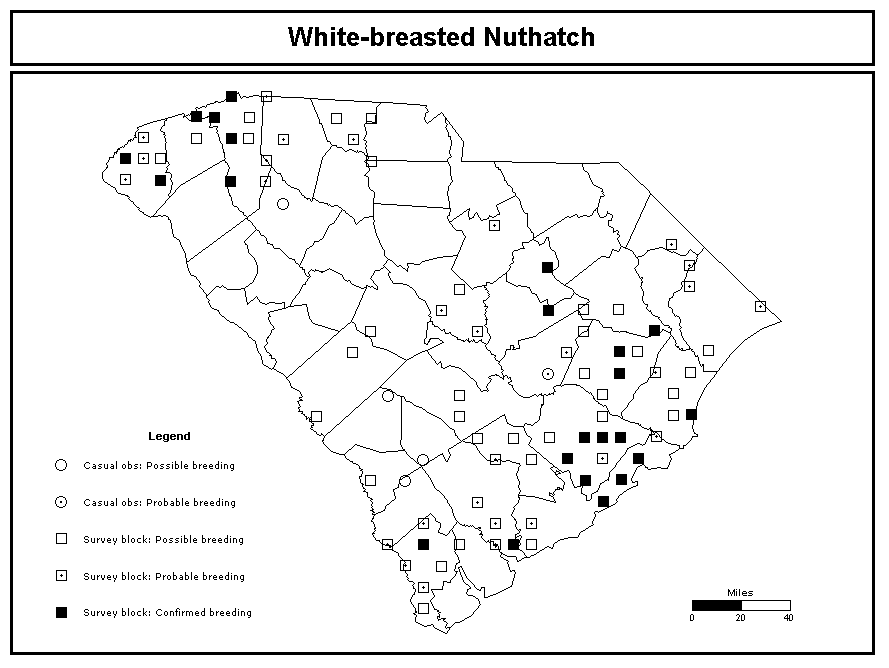
White-breasted Nuthatch
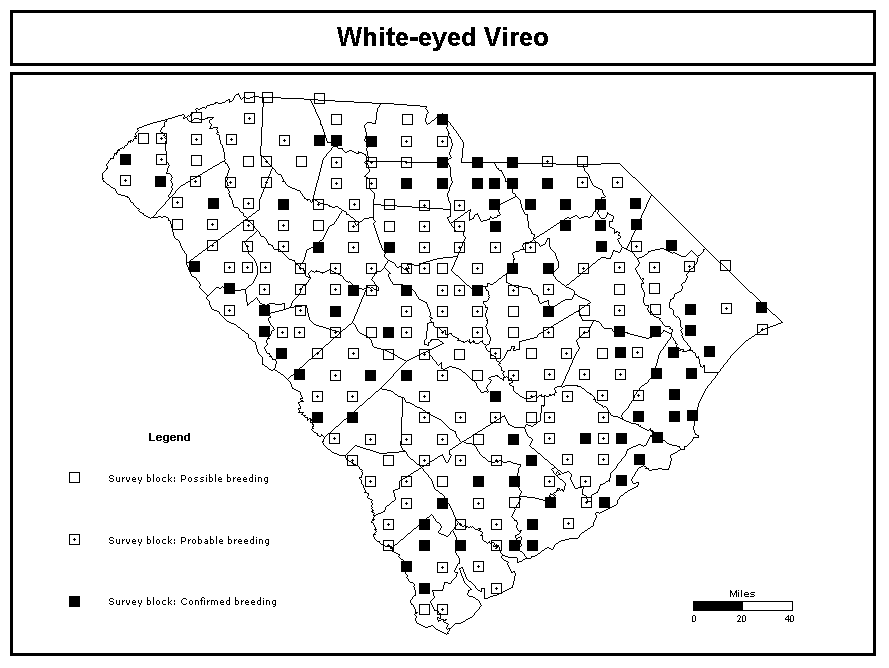
White-eyed Vireo
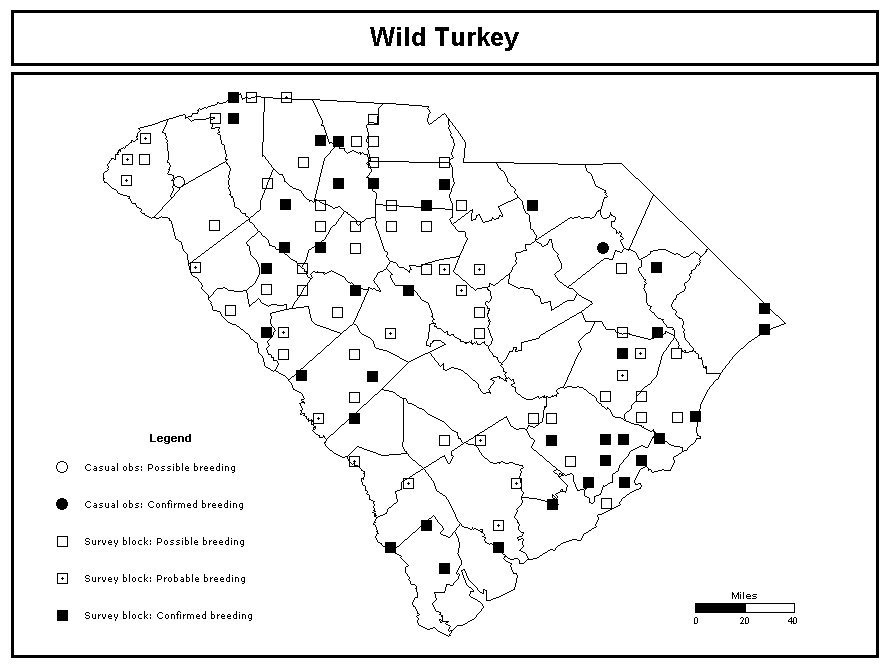
Wild Turkey
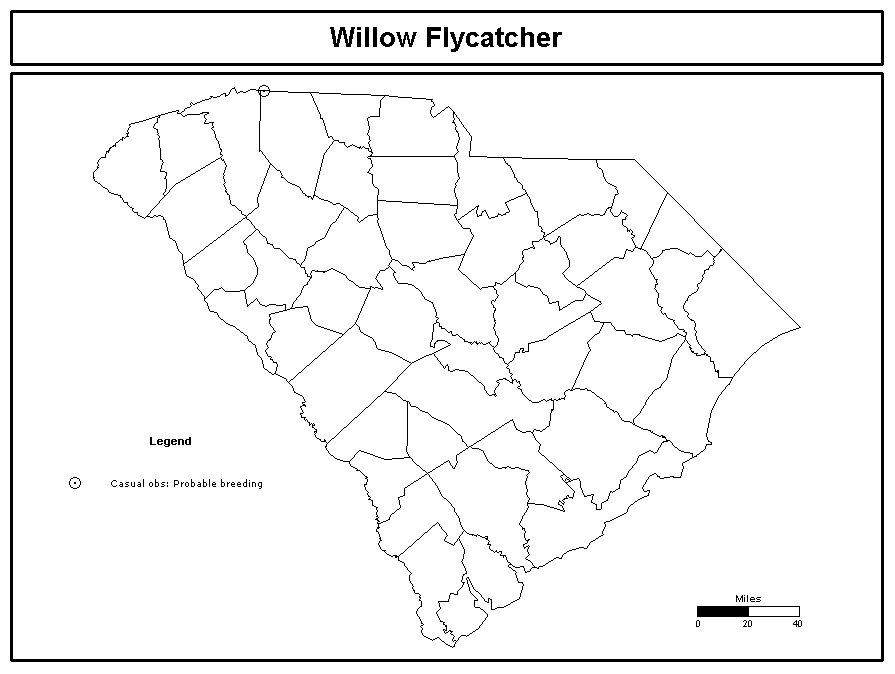
Willow Flycatcher
Wood Duck
Wood Thrush
Worm-eating Warbler
Yellow Warbler
Yellow-billed Cuckoo
Yellow-breasted Chat
Yellow-throated Vireo
Yellow-throated Warbler
